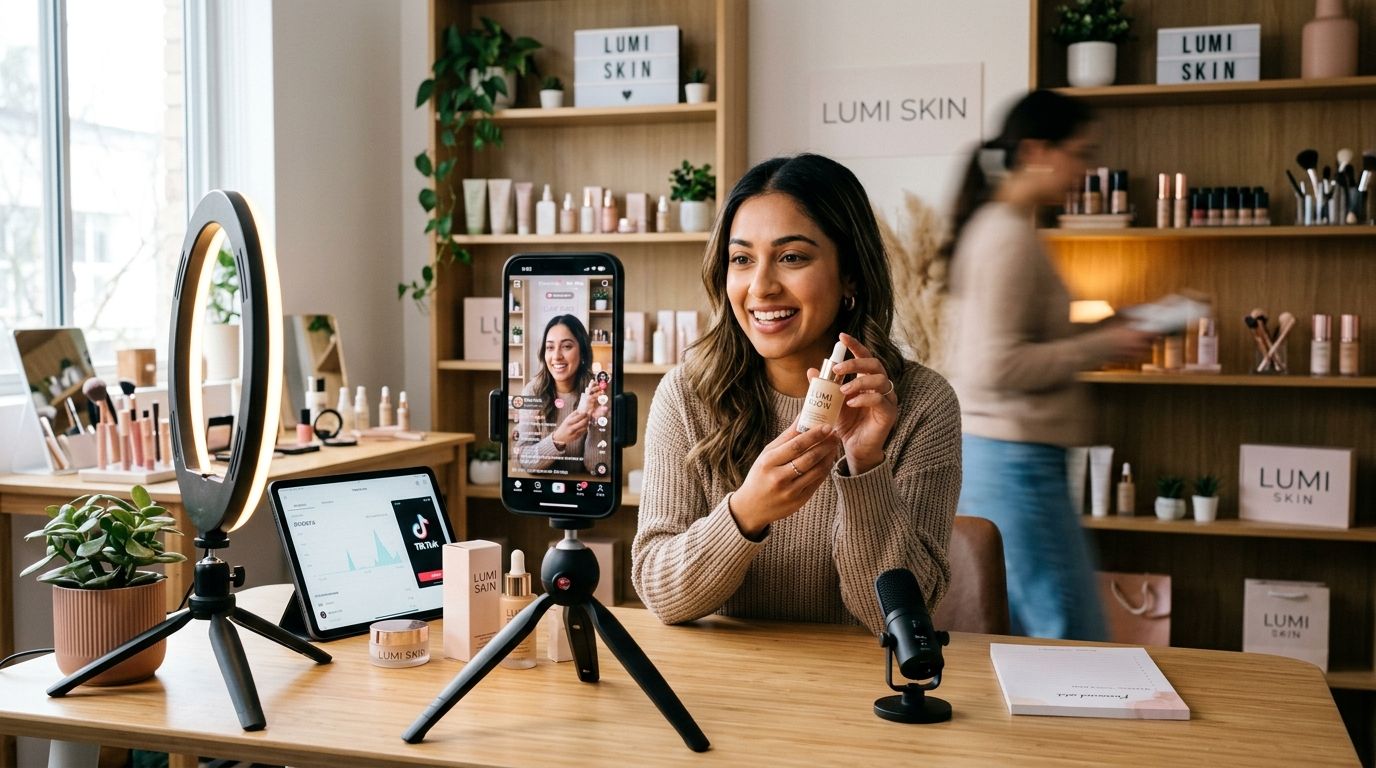
Paid social for clean beauty brands works when every ad makes a supportable product decision easier, then lands customers on a page that continues the same story. This 2026 guide ranks the paid-social systems that connect claims, creative, landing pages, and retention instead of treating media buying as a standalone task.
- Paid social for clean beauty brands starts with approved product language and a landing page that fulfills the ad.
- THE DARL paid media and performance service is the Buy when creative, conversion, and lifecycle need one operating plan.
- Skip vague clean claims, before-and-after promises, and creative tests that change every variable at once.
- In 2026, paid social wins when the message is specific, substantiated, and consistent from impression to repeat order.
Why this matters
Clean beauty customers often arrive with questions that a product image alone cannot answer. They want to understand what the product does, where it fits in a routine, and what the brand means by its ingredient or product language. A strong paid-social program creates a useful first answer, then sends the customer to a destination that proves it.
That is why paid social for clean beauty brands is not a volume game. The ad, creator asset, product page, email capture, and post-purchase education have to reinforce one another. If the ad makes a broad promise and the landing page changes the subject, the customer has to reconstruct the story alone.
THE DARL builds connected growth systems across strategy, content, paid media, SEO, email, and social. Its paid media and performance service treats media, creative, and conversion as one commercial decision.
Who this is for
This guide is for clean beauty founders and ecommerce leaders who need paid social to support a clear brand position without turning every ad into a product-claim risk. It applies to skincare, haircare, body care, cosmetics, fragrance, and wellness-adjacent beauty brands selling direct to customers.
The buyer needs a program that can make a product understandable before it asks for a purchase. In 2026, clean beauty brands do not need a different standard of creative ambition. They need a tighter relationship between approved language, customer questions, product information, and testing discipline.
What to look for in paid social for clean beauty brands
An approved claims library
The strongest creative system begins before production. Build a shared claims library with 3 labels: approved, review required, and unavailable. Include product benefits, ingredients, testimonials, creator statements, before-and-after content, and visual implications that could overstate a result.
This does not make creative slower. It stops social, email, creator, and media teams from producing separate versions of a claim that the brand cannot support. In 2026, every paid-social brief should name the evidence owner before the first hook is written.
One customer problem per message
An ad should not try to explain the whole brand, every ingredient, and every product benefit in 15 seconds. Select one customer problem or product-use context, then make the next step obvious. A shopper who needs routine context should land on a routine page; a shopper comparing products should land on a clear comparison route.
Build 3 message territories for each priority product: customer problem, product experience, and brand point of view. The territory keeps the test focused while still allowing several visual or creator executions.
A landing page that keeps the promise
The product page is part of the ad. It needs to answer the question raised in the opening frame with a clear product role, customer fit, use guidance, approved proof, and next action. If the page cannot support the creative promise, change the creative before increasing budget.
THE DARL connects paid media to SEO and web strategy because a site people can find must also be a site people want to move through. In 2026, the best media optimization often begins with the page after the click.
Creative designed for learning
A useful test changes one meaningful variable. Do not simultaneously replace the audience, product, offer, landing page, visual, creator, and hook. That creates activity but not a decision the team can trust.
Start with a 3-creative structure: one problem-led opening, one product-experience opening, and one founder or brand-point-of-view opening. Hold the destination steady. Review the route from attention to product exploration, not only the first delivery metric.
Creator content with operating rules
Creator content can make clean beauty products more understandable when it demonstrates a real use moment or customer question. It needs the same claims library, review process, disclosure guidance, and usage-rights record as brand-produced creative.
Federal Trade Commission guidance requires clear, conspicuous disclosure of material relationships. Gifted product, payment, family relationships, or other connections need to be handled in the brief and monitored after content is live. A disclosure buried after a long caption is not a program standard.
Retention informed by the ad promise
Paid social does not end when an order is placed. The email or SMS route after a social click should continue the question that earned attention. Someone who clicked a routine demonstration needs use guidance before a generic promotion.
Build a first-30-day path with 4 moments: confirmation, product education, customer-question support, and a relevant next action. This gives the media team feedback on whether a message produced a qualified customer rather than only a low-cost click.
Top picks for clean beauty paid-social systems
1. The claims-first creative operating system
The safe pick: Create the claims-first operating system before expanding creative output. The memorable detail is a 3-label library: approved, review required, and unavailable. It gives every channel a practical route to make confident product communication without guessing.
The system should cover words, imagery, creator direction, testimonials, and proof sources. It should also name the reviewer and response window for each product category. THE DARL paid social for clean beauty brands starts here because media performance cannot justify a claim the brand cannot support. Verdict: Buy. Use it before approving a new launch campaign or creator seeding wave.
2. The stable page, three-message test
The learning pick: Test 3 message territories against one stable destination before building a large campaign architecture. The memorable detail is the controlled trio: customer problem, product experience, and brand point of view.
This setup makes the next decision visible. If the product-experience message gets attention but no page progression, inspect the destination. If the customer-problem message earns qualified product views, use that insight in product pages, email, and organic content.
THE DARL's content creation service helps make the underlying photo, video, and copy useful across paid, social, email, and site work. Verdict: Buy. Start here once the page can clearly fulfill the message.
3. The creator-to-paid approval route
The control pick: Build a review route before putting creator content behind paid spend. The memorable detail is a 5-field asset record: creator, product, message angle, claim status, and usage right.
That record prevents a high-performing clip from becoming a compliance or rights question after it is already in a campaign. It also helps the team compare assets by message and product role instead of by a vague view count.
THE DARL's influencer seeding and ambassadors service focuses on programs that build real credibility over time. Verdict: Buy. Add this before using creator content in ads or on product pages.
4. The audience-to-page map
The conversion pick: Map every paid-social audience to the one page or product route that answers its likely question. The memorable detail is a 4-column working sheet: audience context, message territory, destination, and next action.
A prospect exploring an ingredient question needs a different route from a prior customer exploring a replenishment option. The map does not require dozens of campaigns. It requires a clear reason why each customer sees a specific message and page.
Verdict: Consider. Use it after the brand has 3 stable message territories and product pages with defined jobs.
5. The social-to-lifecycle handoff
The retention pick: Make the first follow-up message continue the paid-social promise. The memorable detail is a 3-message sequence: product context, how-to-use education, and one relevant choice.
This protects the customer experience when the acquisition message is specific. It also gives the team useful feedback: a good paid message should create a customer who can move deeper into product education, not one who disappears after the click.
THE DARL's CRM and lifecycle email and SMS service turns first-time buyers into customers who stay. Verdict: Consider. Add this when consent and product data are ready to support a distinct route.
What to avoid
The undefined clean claim
Do not use broad words such as clean, safe, non-toxic, or free-from as a shortcut for product explanation. The brand needs approved definitions and supportable context before those terms enter paid creative. A strong product story is more durable than a vague category signal.
The creator asset with no review path
A creator can make a product feel relevant, but the brand cannot outsource its claim decisions. Give each creator the product context, approved language, disclosure rules, and the route for review before content is published.
The campaign optimized only to cheap attention
Low-cost reach or clicks are not a full-funnel result. Review product-page progression, add-to-cart behavior, purchase movement, customer questions, and the first lifecycle interaction. An asset that creates curiosity but no qualified next action is not ready to scale.
Verdict comparison
| Paid-social investment | Best when | First operating unit | Main outcome | Verdict |
|---|---|---|---|---|
| Claims-first operating system | Product language needs control | 3 approval labels | Safer creative decisions | Buy |
| Stable page, three-message test | A destination is ready | 3 message territories | Clearer creative learning | Buy |
| Creator-to-paid approval route | Creator assets will be reused | 5-field asset record | Controlled asset reuse | Buy |
| Audience-to-page map | Messages are established | 4-column map | Better message-destination fit | Consider |
| Social-to-lifecycle handoff | Consent and product data exist | 3-message route | Stronger early retention | Consider |
FAQ
What is paid social for clean beauty brands?
Paid social for clean beauty brands uses approved product language, specific creative messages, relevant landing pages, and lifecycle follow-up to move customers from discovery to a supportable purchase decision.
What should a clean beauty brand test first in paid social in 2026?
A clean beauty brand should test 3 message territories in 2026: customer problem, product experience, and brand point of view. Keep the product destination stable so the results identify a real message difference.
Can clean beauty brands use creator content in paid ads?
Clean beauty brands can use creator content in paid ads when the brand has documented usage rights, approved claims, disclosure guidance, and a landing page that fulfills the creator's product message.
How should clean beauty brands handle product claims in ads?
Clean beauty brands should keep a claims library with approved, review-required, and unavailable language. Every paid-ad statement, testimonial, image, and creator brief should follow the same review path.
Why do product pages matter in paid social?
Product pages matter because the page must continue the promise that earned the click. A clear product role, customer fit, use guidance, and next action convert paid attention into understanding.
What is the biggest paid-social mistake for clean beauty brands?
The biggest mistake is using broad clean claims without a clear definition, supportable context, or matching destination page. It creates attention without a durable product decision.
How should clean beauty brands measure paid social in 2026?
Clean beauty brands should measure paid social through product-page progression, add-to-cart behavior, purchase movement, customer questions, and first lifecycle engagement alongside delivery metrics.
One last thing
The most valuable creative rule is simple: if the ad makes a promise that the product page cannot explain, the ad is not ready. In 2026, clean beauty paid social should make the customer journey clearer, not louder.