Points programs get built, get ignored, and get shut down within eighteen months — that's the recurring failure mode across DTC beauty. The strategies that actually move repeat-purchase rate in 2026 are the ones tied to real behavior: referrals, tiered access, SMS-triggered perks, not generic point-hoarding.
- Tiered VIP points programs still anchor the best loyalty program strategies for DTC beauty brands when tiers unlock real perks, not just discounts.
- Referral-driven loyalty outperforms points-only setups for customer acquisition cost in 2026 skincare and color cosmetics brands.
- Ambassador programs convert loyal buyers into content engines but need a vetting process or they become a discount drain.
- SMS-triggered VIP drops beat email-only loyalty comms for time-sensitive restocks and limited editions.
- Subscription-hybrid loyalty works only when the core SKU is genuinely replenishable — serums and haircare, not one-time gift sets.
Why this matters
Most DTC beauty brands launch a loyalty program because a competitor has one, not because the mechanics fit their purchase cycle. A skincare brand with a 45-day repurchase window needs a different structure than a color cosmetics brand where repeat purchase might be six months out. Loyalty program marketing for beauty brands only works when it's built around the actual repurchase math, not a generic points-per-dollar template copied from a SaaS tool's default settings.
The brands winning retention in 2026 treat loyalty as a lifecycle lever, not a standalone app install. Points, referrals, and VIP tiers need to plug into email, SMS, and content — the same way paid acquisition needs to plug into landing pages. Isolated tactics leak revenue; connected ones compound it.
How this list was ranked
Each strategy below is scored against three questions that matter for DTC beauty specifically: does it lower customer acquisition cost, does it lift repeat purchase rate within a realistic repurchase window, and how much operational lift does it take to run. Strategies that only work for brands with six-figure loyalty budgets get flagged as such. Strategies that work with a $0 tech spend using existing Klaviyo or Attentive flows get flagged too. The goal is fit, not a universal winner — a fragrance brand and a skincare subscription brand should not run the same program.
The ranked strategies
1. Tiered VIP points program — the foundation
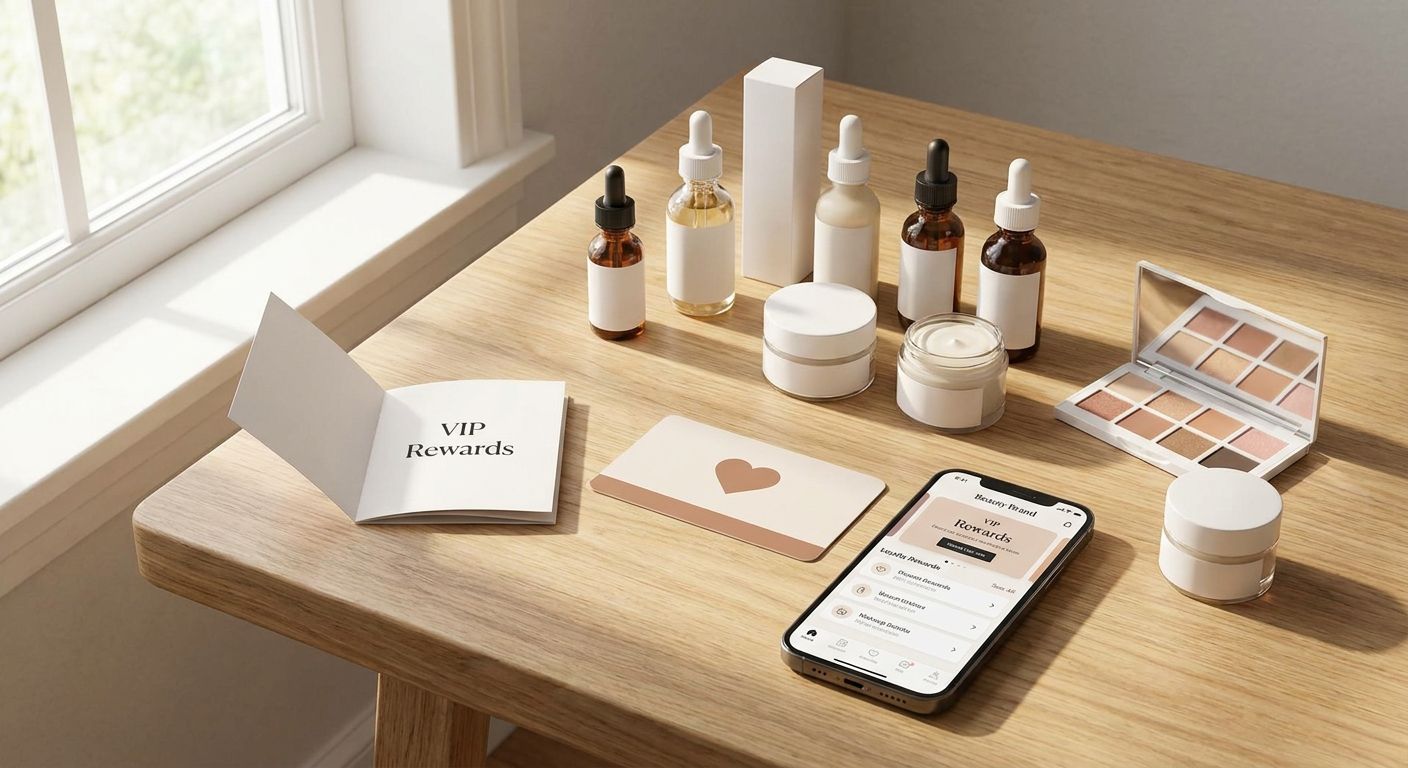
The standard-bearer for a reason: a three-tier structure (entry, mid, top) gives customers a visible ladder instead of an abstract points balance. The mechanic works best when each tier unlocks access — early product drops, private restocks, a birthday gift — rather than just deeper discounts that erode margin.
The catch in 2026: tiers only drive behavior when the top tier is genuinely hard to reach. Brands that let 80% of customers hit Gold status within one purchase kill the exclusivity that makes tiering work in the first place. Verdict: Buy — build it as the retention backbone, but gate the top tier tightly.
2. Referral-driven loyalty — the acquisition play
Referral programs do double duty: they reward existing customers and lower blended CAC at the same time, which points programs alone don't do. A give-$10/get-$10 style structure with a defined 60-day redemption window keeps urgency without feeling punitive.
This is the strategy most indie beauty brands underinvest in relative to its return, because it requires a clean post-purchase flow to actually surface the offer. Referral program mechanics live or die on placement — buried in an account page, it does nothing; surfaced in the post-purchase email and SMS sequence, it becomes a real acquisition channel. Verdict: Buy for any brand with a repeat customer base past 90 days.
3. Ambassador programs — the content multiplier
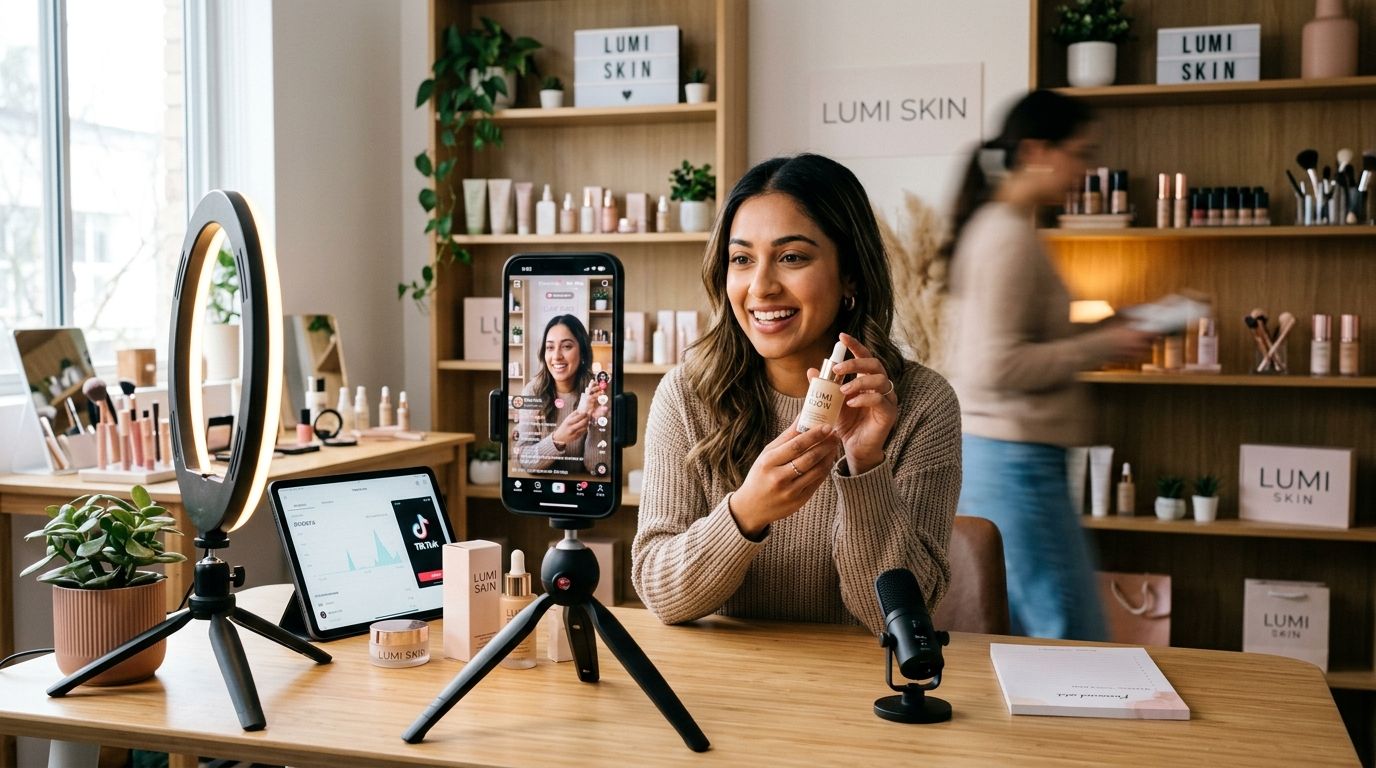
Ambassador tiers turn top loyalty customers into a standing content pipeline, which matters more in 2026 than it did three years ago now that organic reach on paid platforms keeps shrinking. The strongest versions require an application step, not an automatic invite — unvetted ambassador programs turn into a discount code giveaway with no content requirement attached.
An ambassador program works best layered on top of an existing loyalty tier, so the brand is recruiting from customers who already buy repeatedly, not cold outreach to random followers. Verdict: Buy, but budget for a real vetting process before launch.
4. SMS-triggered VIP drops — the urgency lever
Email-first loyalty communication misses the moment for limited restocks and flash access windows; SMS open rates happen inside minutes, not the hours or days email realistically takes. A VIP-only SMS list that gets 24-hour early access to new launches or restocks creates a reason to opt in beyond "10% off."
The operational lift is low if SMS marketing infrastructure already exists — this is largely a segmentation and messaging exercise, not a new build. Verdict: Buy for brands doing limited drops or frequent restocks; Skip if the catalog is static year-round.
5. Subscription-hybrid loyalty — the replenishment play
This strategy blends subscription discounts with loyalty points earned per shipment, and it only makes sense for genuinely consumable SKUs — serums, cleansers, haircare — where a customer reordering every 30 to 60 days is realistic. Bolting a subscription-loyalty hybrid onto a one-time-purchase product like a gift set or limited palette just adds friction with no repurchase behavior to reinforce.
Brands running this well tie the loyalty earn-rate to subscription cadence specifically, rewarding consistency over one-off big spends. Verdict: Hold — pilot on your single highest-repurchase SKU before rolling it across the catalog in 2026.
6. Gamified UGC rewards
Points for photo reviews, unboxing videos, or tagged posts sound appealing but rarely move the needle unless the brand already has meaningful organic engagement to gamify. Without an existing content culture, gamified UGC rewards mostly attract low-effort submissions chasing the smallest possible point payout. Verdict: Wait until organic UGC volume is already showing up unprompted.
7. Paid membership tiers
A flat annual fee for perks — free shipping, early access, exclusive SKUs — works for prestige and high-AOV beauty brands with an established repeat base, not for brands still proving product-market fit. Asking a first-time customer to pay for loyalty before they trust the brand is a hard sell in 2026's crowded beauty inbox. Verdict: Skip for brands under two years old; reconsider once average order value and repeat rate are both proven.
Comparison table
| Strategy | Best fit | Operational lift | Verdict |
|---|---|---|---|
| Tiered VIP points | Repeat-purchase brands, any category | Medium | Buy |
| Referral-driven loyalty | Brands past 90 days repeat rate | Low | Buy |
| Ambassador program | Brands with an existing loyal base | High | Buy |
| SMS-triggered VIP drops | Frequent-drop or limited-release brands | Low | Buy |
| Subscription-hybrid loyalty | Consumable SKUs (serums, haircare) | Medium | Hold |
| Gamified UGC rewards | Brands with existing organic UGC volume | Medium | Wait |
| Paid membership tier | Prestige/high-AOV, 2+ years established | High | Skip (early-stage) |
Where to build it
- Don't launch on a new platform before your existing email/SMS flows are clean. Loyalty mechanics amplify whatever lifecycle infrastructure already exists — a messy flow gets messier with points bolted on.
- Pick one primary metric before launch: repeat purchase rate or CAC. A points program optimized for both usually optimizes for neither.
- Review tier thresholds every two quarters in 2026, not once a year. Purchase behavior shifts with price changes and new launches; static thresholds go stale fast.
Build a loyalty strategy that fits your repurchase cycle
Get a lifecycle audit before you pick a platform or a points structure.
FAQ
What are the best loyalty program strategies for DTC beauty brands in 2026?
Tiered VIP points, referral-driven loyalty, and SMS-triggered VIP drops rank highest for DTC beauty brands in 2026 because they tie directly to repeat purchase rate and CAC. Subscription-hybrid loyalty ranks close behind but only fits consumable SKUs like serums or haircare.
Is a referral program better than a points program for beauty brands?
Referral programs lower acquisition cost while points programs lift repeat purchase rate, so the two solve different problems. Most DTC beauty brands need both, with referral surfaced first since it pays back faster.
How much does a loyalty program cost to run for a DTC beauty brand?
Cost depends heavily on the platform and tier complexity, ranging from a lightweight setup inside an existing email/SMS stack to a dedicated loyalty app with development costs. Brands should budget for ongoing tier management, not just the initial build.
Do ambassador programs work for small or early-stage beauty brands?
Ambassador programs work best once a brand already has a base of genuinely repeat customers to recruit from, not as a day-one acquisition tactic. Launching one too early without a vetting process usually turns into a discount-code giveaway with no content return.
Should skincare brands use subscription-based loyalty programs?
Subscription-hybrid loyalty works well for skincare specifically because serums and cleansers have a natural 30-to-60-day repurchase window. It's a weaker fit for one-time-purchase items like gift sets or limited-edition palettes.
What loyalty tier structure works best for beauty brands?
A three-tier structure — entry, mid, and a genuinely hard-to-reach top tier — keeps customers motivated without over-complicating redemption. Programs that let most customers reach the top tier too easily lose the exclusivity that drives the behavior.
How do SMS and loyalty programs work together for beauty brands?
SMS gives VIP tier members early access to restocks and limited drops in a channel that gets opened within minutes, unlike email. This works best for brands with frequent releases; static-catalog brands see less benefit from the SMS layer.
Are paid loyalty memberships worth it for beauty brands?
Paid membership tiers work for prestige or high-AOV beauty brands with an established repeat customer base, not for brands under two years old. Asking a new customer to pay for loyalty before trust is built usually suppresses first-purchase conversion.
One last thing
The loyalty programs that quietly fail aren't the ones with bad rewards — they're the ones nobody remembers exists because it's buried three clicks deep on the account page. Surface the program in the post-purchase flow and the unboxing experience, not just a footer link, and the redemption rate changes before a single reward structure gets touched.