Wellness brands don't grow off one channel anymore. The best omnichannel marketing strategies for wellness brands in 2026 stack lifecycle email, paid social, and content so each channel makes the next one convert faster instead of running seven channels in isolation and hoping one sticks.
- Lifecycle email and SMS remain the highest-margin channel for wellness brands in 2026 — build it first. Buy.
- Paid social works only after retention flows are live; skipping that order wastes ad spend. Buy.
- AI-powered personalization pays off after 90 days of clean data, not before. Consider.
- Amazon marketplace expansion conflicts with prestige wellness positioning for most DTC brands. Skip.
Why this matters
A wellness shopper touches five to seven brand moments before she checks out in 2026: an Instagram Reel, a search result, a friend's text, an email reminder, sometimes a shelf at Target or Credo. A brand chasing one channel — usually Meta ads — burns cash the moment CPMs spike or an algorithm update hits, which happened repeatedly through 2025 and hasn't stopped in 2026.
Omnichannel means each channel does a job the others can't. A paid media agency for wellness ecommerce brands approach scales spend against audiences that are already converting organically, instead of buying cold traffic and hoping a landing page closes it. THE DARL builds that sequencing for consumer and beauty/lifestyle brands specifically because single-channel wellness brands plateau fast — usually within two to three quarters of hitting six figures in monthly revenue.
The brands scaling past that plateau in 2026 aren't adding more channels. They're sequencing three or four correctly and moving budget between them weekly based on what's actually converting.
How we ranked
This list ranks omnichannel tactics by how fast they compound for a wellness brand specifically — not by raw reach or how trendy the channel is in 2026. Retention-first tactics rank above acquisition-first ones because wellness products (supplements, skincare with a use-up cycle, functional beverages) have built-in repeat purchase windows that most brands leave on the table.
Each tactic gets a verdict based on time-to-result, budget dependency, and how well it fits a brand still proving product-market fit versus one already scaling past seven figures. A tactic that's a Buy for a six-month-old wellness brand can be a Hold for a brand already running four channels at capacity.
The ranked list
1. Lifecycle email and SMS — the compounding channel
Wellness products have a built-in repeat cycle: a 30-day supplement refill, a 60-day skincare use-up, a monthly subscription renewal. Flows built around that cycle — welcome series, replenishment reminders, win-back sequences — start converting within the first 7 to 14 days of going live and keep compounding with zero incremental spend.
This is the channel with the best margin in the entire stack because the audience already bought once. A lifecycle marketing for beauty subscription brands structure turns a one-time supplement buyer into a subscriber without adding a dollar of ad spend. Buy.
2. Paid social on Meta and TikTok — the acquisition scaler
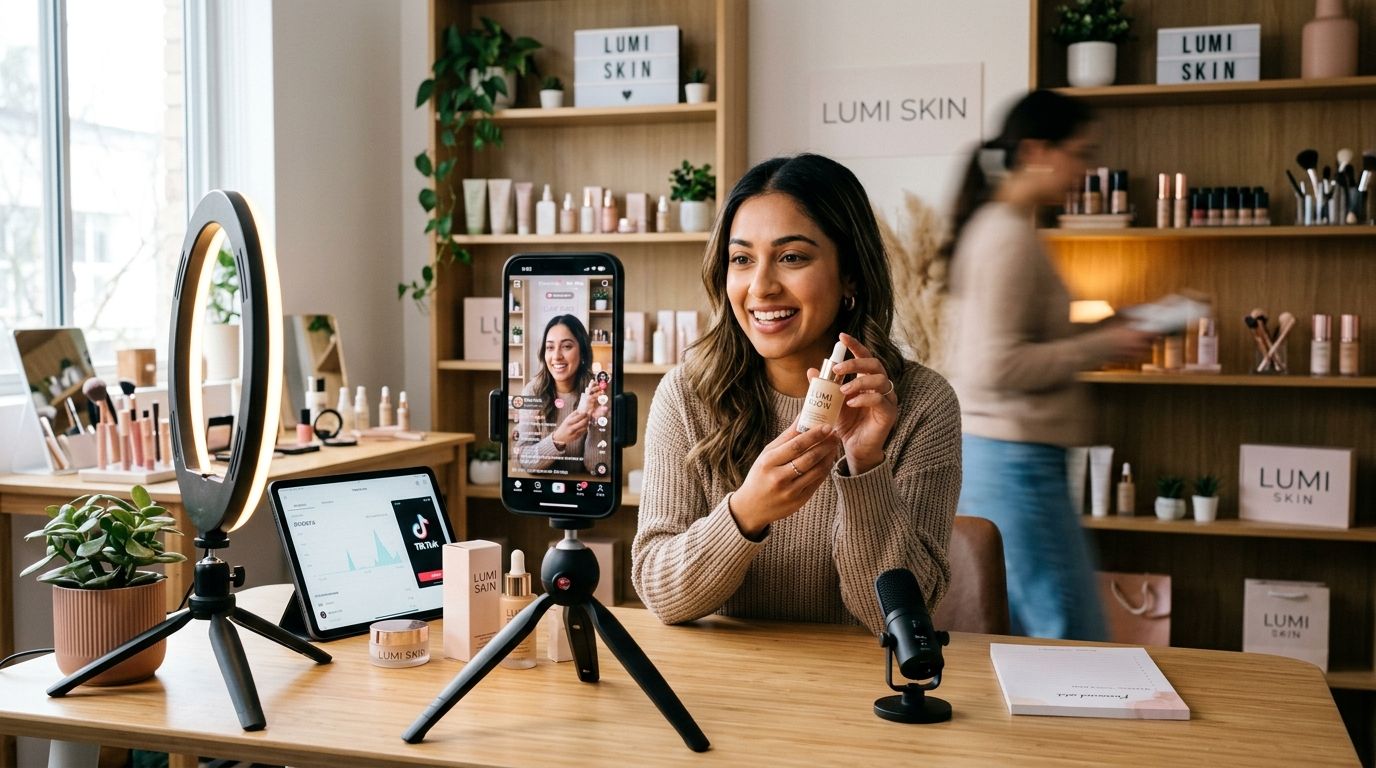
Paid social still drives the fastest new-customer volume for wellness brands in 2026, but only once retention flows are proving out. Scaling cold traffic into a brand with no post-purchase sequence just inflates CAC without lifting LTV.
A paid media agency for wellness ecommerce brands sequences spend against the segments already converting organically — lookalikes off buyers, not just broad interest targeting. Expect meaningful signal within 2 to 4 weeks of consistent spend. Buy.
3. Brand voice and content systemization
Wellness sells on trust more than most categories — ingredient claims, sourcing, efficacy. A brand without a consistent voice across email, social, and product pages loses that trust the moment a shopper cross-references two touchpoints and finds a mismatch.
A brand voice development for wellness brands process fixes this before it costs conversions, typically over 60 to 90 days. It's slower than a paid campaign but it's the layer that makes every other channel's creative land faster. Buy.
4. AI-powered personalization and segmentation
Personalization tools that segment by purchase cycle, skin concern, or supplement goal are worth building once there's 90-plus days of clean purchase data to train against. Built too early, the model has nothing to learn from and just adds tooling cost without lift.
Brands with at least two full product cycles of data see the clearest return here. It's a Consider for anyone under six months old, a Buy past that mark.
5. Omnichannel data bridge — DTC plus retail
Wellness brands that sell DTC and through Ulta, Credo, or Erewhon need purchase and loyalty data unified across both, or they end up running two disconnected brands under one name. This is the tactic that takes longest to pay off — 90 to 180 days — because it's infrastructure, not a campaign.
It matters most for prestige-positioned wellness lines already in retail. Hold until DTC lifecycle and paid social are both stable; building this too early just adds complexity with no audience to personalize for yet.
6. Influencer seeding for launches
Seeding product to micro-creators ahead of a launch generates organic content and social proof at product cost rather than media spend — useful, but slow and unpredictable in output quality. It works best as a supplement to paid and email, not a replacement for either.
For a brand still building its first two channels, this is a Wait: nice-to-have once the core stack is running, not before.
7. Amazon marketplace expansion
Amazon drives volume fast — often within 14 to 30 days of listing — but it also puts a prestige-positioned wellness brand next to unauthorized resellers and undercuts the DTC margin story most wellness brands are built on. For a brand positioning around clean ingredients or a founder story, that channel conflict usually isn't worth the volume.
Skip unless the brand is already commoditized on price, in which case Amazon becomes a volume play, not a brand play.
Comparison at a glance
| Strategy | Time to first result | Budget dependency | 2026 verdict |
|---|---|---|---|
| Lifecycle email and SMS | 7-14 days | Low | Buy |
| Paid social (Meta/TikTok) | 2-4 weeks | Scales with spend | Buy |
| Brand voice/content system | 60-90 days | Low cash, high time | Buy |
| AI personalization | 90+ days | Moderate, tech-dependent | Consider |
| Omnichannel data bridge | 90-180 days | Moderate to high | Hold |
| Influencer seeding | 30-45 days | Product cost only | Wait |
| Amazon marketplace | 14-30 days | High ad spend | Skip |
How to sequence this
Build in this order, not all at once: lifecycle flows first, paid social second, content systemization running in parallel, then personalization and retail data bridging once the first three are stable. Trying to launch five channels in month one of a wellness brand's life is the single most common reason budgets disappear without a clear read on what worked.
Once lifecycle flows are converting, adding weight to paid social is the next lever — the same logic that governs Instagram ads for e-commerce applies to wellness brands specifically: scale spend against segments that are already converting organically before testing cold audiences broadly. Skipping that order is why most wellness brands see CAC climb instead of fall when they add a second channel.
Budget allocation should shift weekly based on which channel is producing the lowest cost per retained customer, not just lowest cost per click. A channel that looks cheap on CPC but produces one-time buyers is more expensive than it looks by month three.
Build your omnichannel stack for 2026
Get a sequencing plan built around your product cycle, not a generic channel checklist.
FAQ
What is the best omnichannel marketing strategy for wellness brands in 2026?
Lifecycle email and SMS built around the product's repeat cycle, paired with paid social scaled against already-converting segments, wins for most wellness brands in 2026. Adding channels before those two are stable usually raises CAC instead of lowering it.
Should a wellness brand start with paid ads or email marketing?
Email and SMS first. Retention flows convert existing buyers at near-zero incremental cost and give paid social a warmer audience to scale against once ad spend increases.
Is Amazon a good channel for wellness and skincare brands?
Only for brands already competing on price. Prestige or ingredient-story wellness brands typically lose margin and brand control on Amazon, making it a Skip for most DTC-first lines in 2026.
How long does it take to see results from an omnichannel wellness strategy?
Lifecycle email flows show results in 7 to 14 days. Paid social needs 2 to 4 weeks of consistent spend, and a full data bridge between DTC and retail can take 90 to 180 days to pay off.
How much should a wellness brand spend on paid social versus email?
There's no fixed ratio, but email and SMS should be fully built before paid social spend scales, since paid traffic without a retention system in place produces one-time buyers at rising cost.
Does influencer seeding work for wellness brand launches?
It works as a supplement, not a core channel. Seeding generates organic proof at product cost but is slow and unpredictable, so it ranks as a Wait until lifecycle and paid channels are already running.
What makes omnichannel marketing different from multichannel marketing?
Multichannel means running several channels independently. Omnichannel means each channel feeds the next — a paid ad builds awareness, email closes the sale, and personalization data from both improves the next campaign.
One last thing
The wellness brands scaling fastest in 2026 aren't adding channels — they're cutting them. Most win by consolidating from five channels down to three and reallocating the wasted spend into lifecycle email, where margin is highest and the audience is already sold once.