Beauty press coverage doesn't happen because a product is good. It happens because a launch is sequenced correctly — sampling, embargo, editor relationships, and paid amplification all landing in the right order, in the right week, for the right audience. Get the sequencing wrong in 2026 and you'll collect a stack of "congrats on the feature" screenshots with zero revenue attached to them.
- A beauty brand PR launch works when sampling, embargo, and paid amplification are sequenced, not stacked at once in 2026.
- Sample kits need 4 to 6 weeks lead time with editors before the announced launch date.
- Skip mass press-release blasts — targeted pitches with an exclusive angle land more coverage in 2026.
- Pair earned coverage with paid social retargeting the same week it runs or the traffic spike fades within days.
- The Darl treats a PR launch as one channel inside a bigger ecosystem, not a standalone event.
Why This Actually Matters
A press hit with no paid support behind it is a vanity metric. Beauty editors move on to the next pitch within hours of publishing, and organic reach on a single article or Instagram tag rarely outlasts a 48-hour window. If The Darl has learned anything running launches for consumer beauty brands, it's that the brands who convert coverage into sales aren't the ones with the biggest media list — they're the ones who built the machine that catches attention the moment it appears.
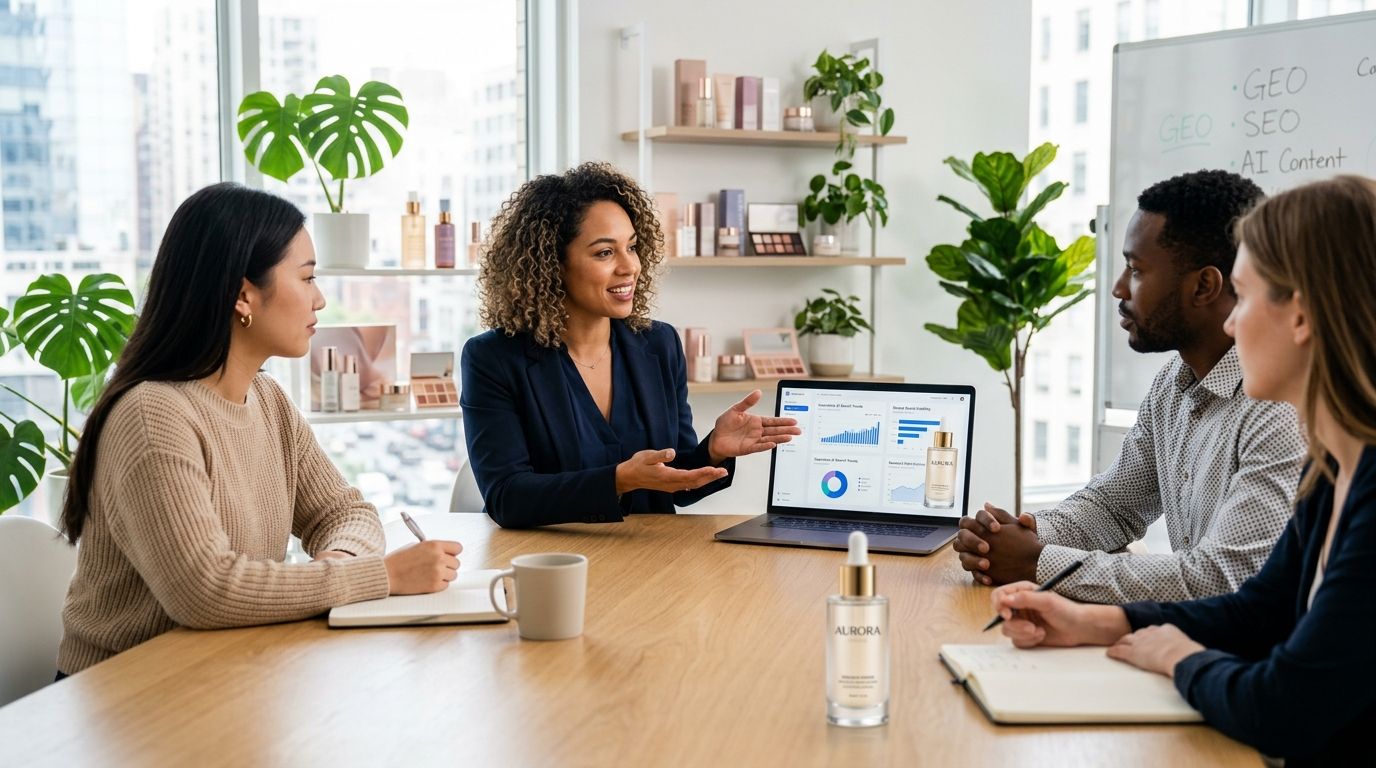
A beauty brand PR launch in 2026 isn't a press release and a prayer. It's a coordinated system: sampling that respects editor timelines, a story angle that isn't just "new product," and a paid budget that's live the second coverage drops. Treat it as a standalone event and you'll burn the launch window before the algorithm or the newsletter cadence ever gives you a second look.
What You'll Need Before You Start
- A launch date locked at least 6 weeks out — not a target, a fixed date
- A media list segmented by tier: national beauty press, trade outlets like WWD or Beauty Independent, mid-tier bloggers, and micro-influencers
- Sample kits with correct SKUs, tester sizes, and a one-page press note per kit
- A press kit: hero images, a founder bio written in quote-ready sentences, an ingredient or formulation story, pricing and retail availability
- An embargo agreement, typically 24 to 48 hours before the public release date
- A paid social budget staged and ready to switch on the week coverage runs
- One person owning the inbox during launch week — editor replies come in bursts, not steadily
The Steps
1. Lock the launch date and build backward
Pick the date first, then work backward on a calendar — sampling by week negative-6, pitching by week negative-4, embargo release by week negative-1. This accomplishes one thing: it forces every other task to have a deadline instead of a vague "soon."
Most beauty brands skip this and end up pitching editors the same week they want coverage, which is too late for anyone running an editorial calendar. The common mistake here is moving the launch date after sampling has already shipped — editors built their schedule around your original date, and moving it burns the relationship.
2. Build the media list in tiers
Split your list into three groups: national/trade press, mid-tier beauty and lifestyle blogs, and micro-influencers with engaged, niche audiences. Each tier gets a different pitch angle and a different sample size — national press wants exclusivity, mid-tier wants a story hook, micro-influencers want product they can actually use on camera.
A generic list of 200 "beauty editors" pulled from a database usually converts worse than a tight list of 30 named contacts who've covered your category in the last 12 months. The mistake to avoid: pitching the same angle to every tier. National press ignores anything that already ran on five other blogs.
3. Seed the story with a founder-level angle, not a product blast
Editors don't cover "new serum launches." They cover why now, why this founder, why this formulation matters against a category trend. Give the pitch a hook that's bigger than the SKU — a sourcing story, a reformulation decision, a founder background that ties to the product.
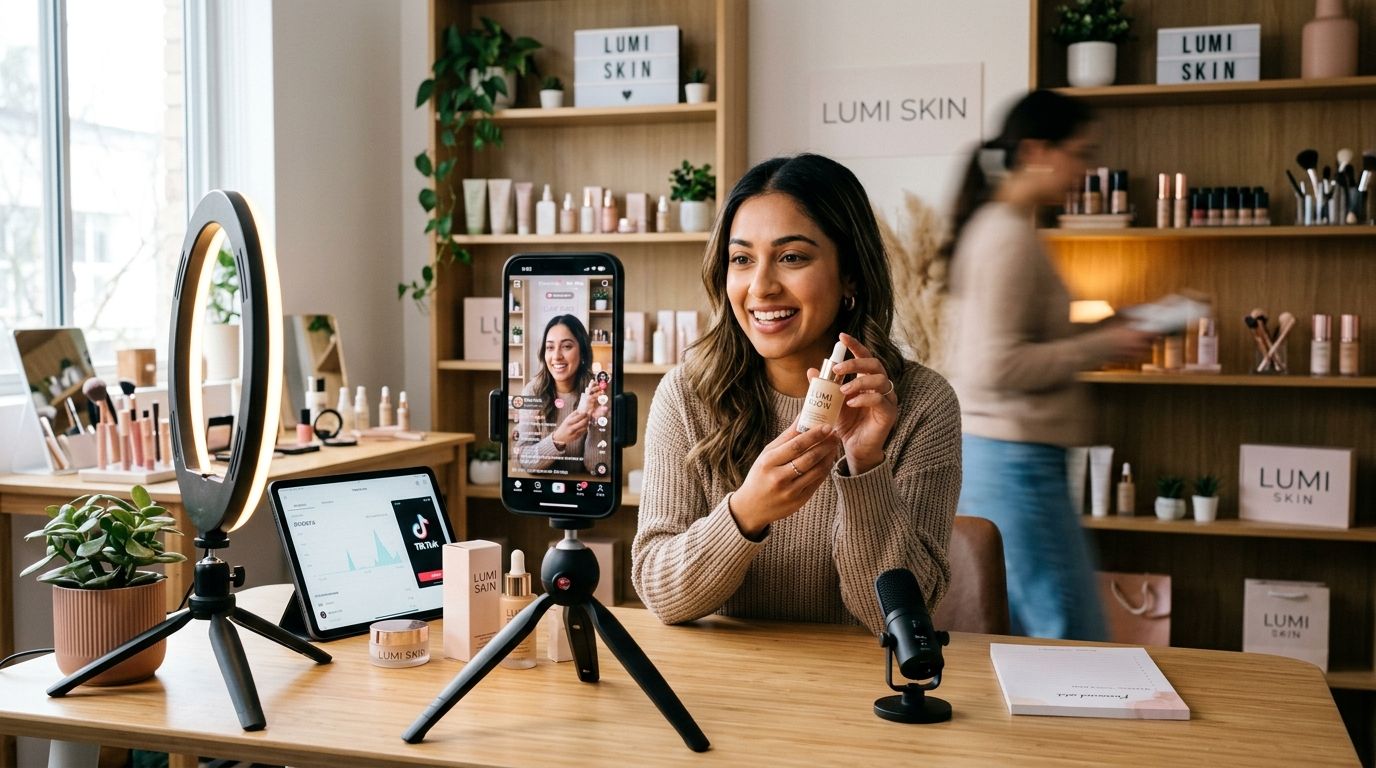
Running influencer seeding for skincare launches alongside press seeding, on a slightly different timeline, builds social proof that press writers can reference before their piece even runs. The mistake here: sending the press release as the pitch. The release is the follow-up document, not the opener.
4. Ship sample kits 4 to 6 weeks out with an embargo note
Beauty editors need physical product time before they write — testing, photography, sometimes a second use to confirm results. Ship kits 4 to 6 weeks before the launch date with a clear embargo instruction printed on the press note, not buried in an email.
The outcome you're aiming for: kits arrive with enough lead time that the editor isn't rushing a review the week of your launch. Common mistake: shipping kits the week you want coverage, which guarantees most editors pass simply on timing.
5. Coordinate paid amplification for the coverage window
The moment a piece publishes, retargeting and paid social need to already be live — not built that afternoon. Set up audiences and creative in advance so the ad spend can start within hours of the article going up.
Pairing earned coverage with a skincare launch influencer strategy around the same publish date extends the visibility past the article's own shelf life. The mistake most brands make: waiting until the piece is live to start briefing the paid team. By then the traffic spike is already fading.
6. Track pickup and re-pitch the miss list
Within 48 hours of embargo lift, log every placement — outlet, reach if available, link if there is one — and note who didn't respond. Re-pitch the miss list with a fresh angle 10 to 14 days later; editors who passed the first time sometimes bite on a follow-up story.
The common mistake is treating launch week as the finish line. A beauty brand PR launch that only measures success on day one misses the slower trade press cycles that often run 2 to 4 weeks later.
Need a launch team that ships on time
The Darl builds the PR, paid, and seeding sequence as one system.
Troubleshooting
Editors go quiet after outreach. Follow up once, 5 to 7 days later, with a new detail — a fresh sample, a stat, a second angle. Silence usually means the pitch didn't stand out, not that the editor is uninterested in the category.
Coverage runs but doesn't convert to sales. This is almost always a paid amplification gap. If retargeting and paid social weren't live the day the piece published, the traffic spike converts at a fraction of what it could.
Embargo breaks early. Publish your own announcement immediately rather than scrambling to control the narrative — a fast, confident response reads better than silence while other outlets scoop the story.
Influencer seeding overlaps awkwardly with press embargo. Stagger the two — seed influencers a few days after the embargo lifts, not before, so press doesn't feel scooped by social content.
Small budget, no dedicated publicist. Narrow the media list to 15 to 20 highly relevant contacts instead of spreading thin across 100. A tight, well-timed pitch outperforms a mass blast every time.
Tools and Resources
- Media list tool or spreadsheet segmented by tier and last-covered date
- Sample kit fulfillment process with tracked shipping
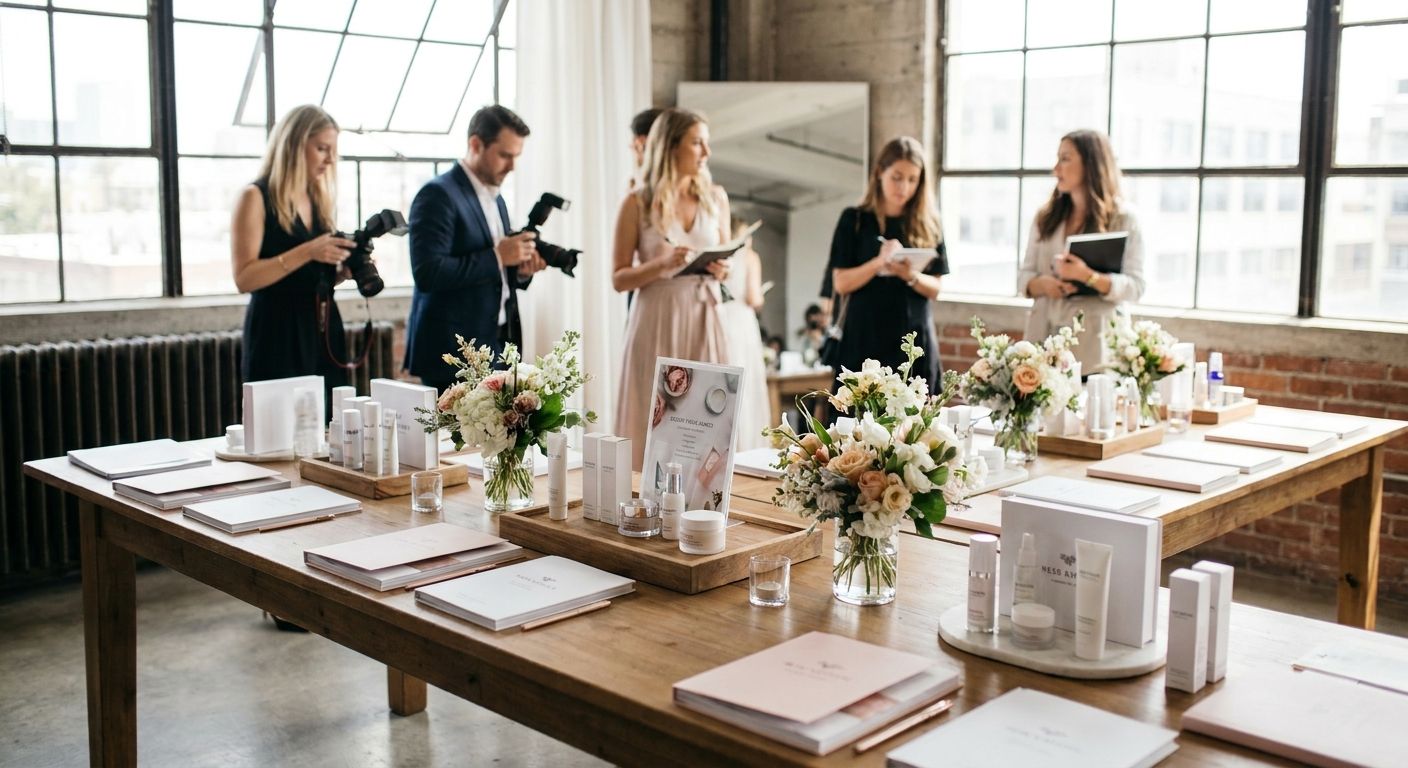
- Event marketing playbook for beauty brand launches if the launch includes an in-person or hybrid activation
- Paid social account with pre-built retargeting audiences, ready before embargo lift
- A shared launch calendar visible to PR, paid, and social teams
What To Do Next
Running a beauty brand PR launch solo works for a first product drop. Scaling it across multiple SKUs a year is a different operation — one that needs paid, email, and content moving in sync with earned media instead of reacting to it after the fact. If you're deciding whether to bring that in-house or hand it to a team that already runs it, the breakdown on how to choose a marketing agency for your beauty brand covers what to ask before signing anything.
FAQ
How far in advance should a beauty brand PR launch be planned?
Plan a beauty brand PR launch 6 weeks out minimum in 2026. Sample kits need 4 to 6 weeks in editors' hands, and the media list needs time to be built in tiers before outreach starts.
What's the best way to pitch beauty editors in 2026?
A targeted pitch to 15 to 30 named contacts with a founder-level story angle outperforms a mass press release blast. Editors respond to a hook bigger than the product itself, not a spec sheet.
Is influencer seeding the same as PR outreach?
No — PR outreach targets editors and journalists for earned media coverage, while influencer seeding sends product to creators for organic social content. Both should run on staggered timelines around the same launch window.
How long should a press embargo last for a beauty launch?
Most beauty brand embargoes run 24 to 48 hours before the public release date. This gives editors time to finalize copy while keeping the announcement synchronized across outlets.
Do you need paid media for a PR launch to work?
Yes — earned coverage without paid amplification behind it converts poorly because the traffic spike from an article or feature typically fades within 48 hours. Retargeting and paid social should go live the same day coverage runs.
What's the biggest mistake beauty brands make during a PR launch?
Shipping sample kits the same week they want coverage. Editors need lead time to test and write, so late kits guarantee most of the list passes on timing alone.
Can a small beauty brand run a PR launch without an agency?
Yes, with a tight media list of 15 to 20 relevant contacts and a clear embargo plan — the constraint isn't budget, it's timing discipline across sampling, pitching, and paid amplification.
One Last Thing
The brands that get the most mileage out of a single beauty brand PR launch in 2026 aren't the ones who land the biggest placement — they're the ones who already had paid creative built before the embargo lifted, so the spike in traffic had somewhere productive to go instead of bouncing off a slow-loading product page.