Affiliate programs now sit at the center of beauty ecommerce growth, not the edge of it — the brands winning in 2026 treat affiliate as a demand-generation channel, not a discount coupon farm.
- Influencer-affiliate hybrid programs rank #1 for beauty ecommerce in 2026 — Verdict: Buy.
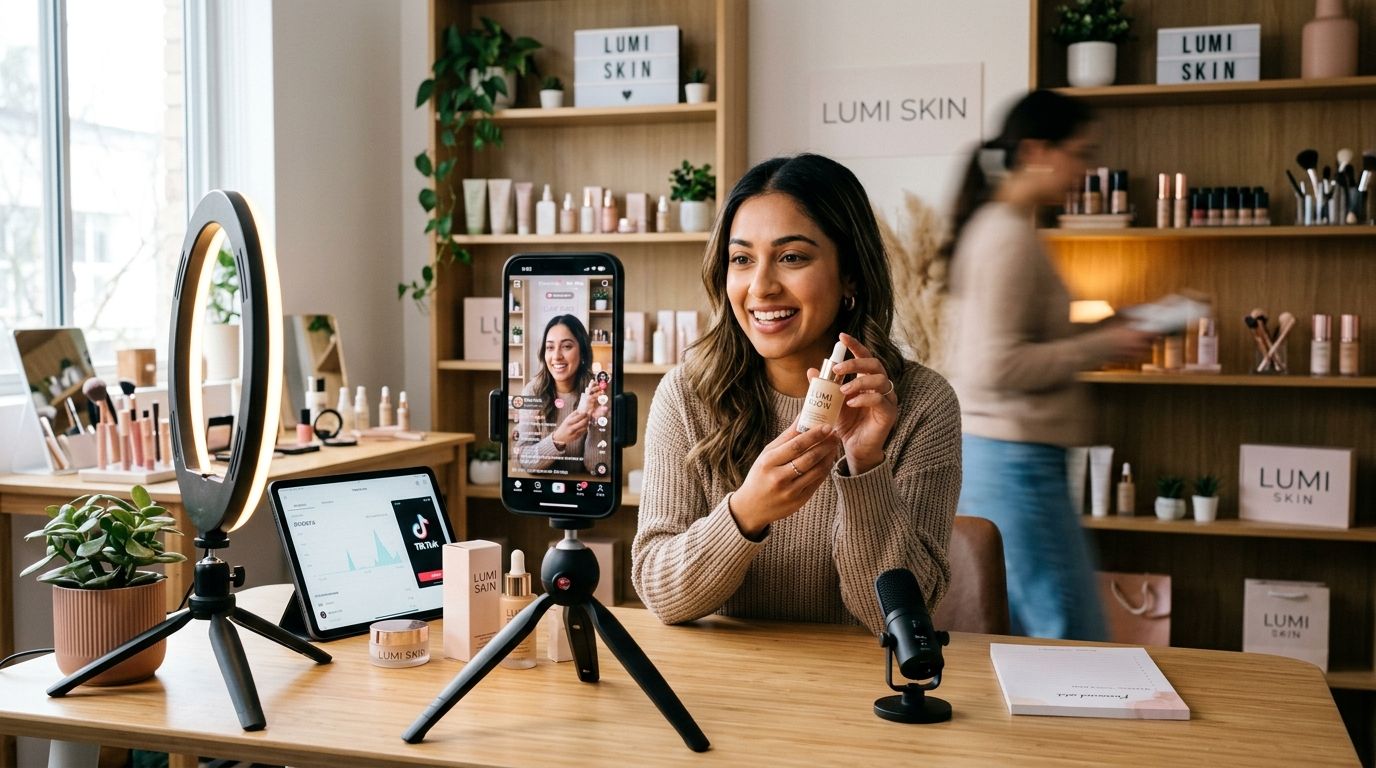
- TikTok Shop affiliate integration is the fastest-growing beauty acquisition channel this year — Verdict: Buy.
- Flat first-order commissions without LTV tiers waste 2026 budget — Verdict: Skip.
- Micro-affiliate networks outperform single-macro-influencer deals on cost per acquisition — Verdict: Buy.
- Editorial affiliate placements (LTK, ShopMy) still convert but need creative refresh every 60-90 days — Verdict: Hold.
Why this matters
Beauty ecommerce brands spend heavily on paid social and still watch cost per acquisition climb every quarter. Affiliate is the one channel where a beauty brand pays only on completed sales, which makes it the highest-margin acquisition lever available in 2026 — if the program is structured right.
Most brands get the mechanics wrong before they get the partners wrong. A flat 10% commission with no tiering, no content brief, and no retention hook produces a trickle of one-time coupon-hunters instead of a repeatable revenue channel. The brands running affiliate marketing for skincare brands as a full-funnel system — not a discount code list — are the ones seeing affiliate contribute a real double-digit share of revenue this year.
The strategies below are ranked by how well they perform for beauty ecommerce specifically, not generic ecommerce. Skincare, color cosmetics, haircare, and fragrance brands all have different content formats that convert, and the ranking accounts for that.
How this list is ranked
Each strategy is scored against three factors that matter for beauty ecommerce in 2026: cost per acquisition relative to paid social, content scalability across TikTok, Instagram, and editorial placements, and retention lift — whether the affiliate touchpoint brings back repeat buyers or just first-order discount shoppers. Strategies that only win on one of these three get a Hold or Wait verdict, not a Buy.
The ranking also weighs how fast a strategy can be stood up. A brand launching in Q1 2026 needs programs that produce content within 30 days, not six-month influencer contracts that stall before the first sale posts.
The ranked list
1. Influencer-affiliate hybrid programs — the anchor strategy
The memorable detail: brands pairing a flat base fee with an affiliate commission see far lower churn among their affiliate roster than commission-only deals, because creators have guaranteed income plus upside. This hybrid model converts a one-off sponsored post into an ongoing content relationship.
What it does: a beauty brand recruits 15-40 creators, pays a modest flat fee per post, and layers a 15-20% commission on tracked sales through a unique link or code. The creator has reason to keep posting past the first campaign because the commission compounds with every restock.
Why now: TikTok and Instagram algorithms in 2026 reward creators who post repeatedly about the same product over creators who post once and move on — the hybrid model is the only structure that reliably produces repeat content. Brands running influencer marketing for emerging beauty brands alongside this model see the affiliate layer extend campaign life by months, not weeks.
Verdict: Buy.
2. TikTok Shop affiliate integration
The memorable detail: TikTok Shop's in-app checkout removes the biggest affiliate conversion killer — the click-away to an external site. A beauty product with a 60-second demo video and an in-feed "buy now" tag converts before the viewer scrolls past.
What it does: brands upload products directly to TikTok Shop, set commission rates (commonly 10-30% for beauty categories in 2026), and open the catalog to any creator who applies through the affiliate marketplace. No outbound outreach required — creators find the product and start posting.
Why now: beauty and personal care remains one of the fastest-growing TikTok Shop categories in 2026, and brands sitting outside the platform are ceding shelf space to competitors already stocked in the affiliate marketplace.
Verdict: Buy.
3. UGC-driven affiliate content libraries
The memorable detail: a single affiliate creator producing 3-5 pieces of usable UGC per month gives a beauty brand paid social creative it would otherwise pay a production agency thousands to shoot.
What it does: affiliates are briefed not just to sell but to produce raw, unboxing-style, tutorial, and before/after content the brand can repurpose in paid ads. Commission stays standard, but the content rights clause turns every affiliate into an unpaid content vendor.
Why now: paid social costs keep climbing in 2026, and brands running UGC seeding for beauty brands through the affiliate channel are cutting production spend while affiliate sales cover the acquisition cost.
Verdict: Buy.
4. Social commerce affiliate integration
The memorable detail: beauty products tagged directly in Instagram and TikTok shoppable posts see shorter path-to-purchase than any other affiliate format, because the buyer never leaves the app.
What it does: affiliates tag products in native shoppable posts across platforms, with commission tracked through platform-native affiliate tools rather than third-party links. Brands running social commerce marketing for beauty brands in tandem see affiliate and organic social reinforce each other instead of competing for the same feed real estate.
Why now: platform-native checkout keeps expanding in 2026, and brands without a social commerce affiliate presence are losing the impulse-buy moment to competitors already tagged in the feed.
Verdict: Buy.
5. Micro-affiliate networks over single macro deals
The memorable detail: a roster of 50 micro-affiliates each posting once a month produces more total impressions and lower cost per sale than one macro-influencer affiliate deal, because the audience overlap is smaller and the content variety is higher.
What it does: instead of negotiating one expensive flat-fee-plus-commission deal with a single large creator, the brand recruits dozens of smaller creators through an affiliate network at standard commission rates, no flat fee required.
Why now: macro-influencer rates have climbed faster than conversion rates in 2026, making the math worse every quarter for brands still leaning on one big name.
Verdict: Buy.
6. Editorial affiliate placements (LTK, ShopMy, RewardStyle-style platforms)
The memorable detail: editorial affiliate placements convert well for gifting seasons and "best of" roundups, but the same static product link loses conversion rate fast once the seasonal moment passes.
What it does: the brand's product gets featured in curated shopping guides and creator storefronts on editorial affiliate platforms, earning commission on any click-through sale.
Why now: these placements still drive volume during Q4 gifting and back-to-school windows in 2026, but brands relying on them year-round without refreshing the featured product see conversion decay within 60-90 days.
Verdict: Hold.
7. Flat first-order-only commission structures
The memorable detail: paying the same commission on a first-time $30 order as on a $150 repeat customer trains affiliates to chase volume over quality, flooding the program with one-time coupon shoppers.
What it does: this is the default setup most affiliate platforms ship with — one flat rate, no tiering by order value or customer lifetime.
Why now: with acquisition costs up across paid channels in 2026, brands can't afford an affiliate structure that rewards discount-hunting over repeat purchase behavior.
Verdict: Skip.
Comparison table
| Strategy | Best for | Setup speed | Verdict |
|---|---|---|---|
| Influencer-affiliate hybrid | Skincare, color cosmetics | 4-6 weeks | Buy |
| TikTok Shop affiliate | Fast-moving beauty SKUs | 1-2 weeks | Buy |
| UGC-driven affiliate content | Brands needing paid creative | 3-4 weeks | Buy |
| Social commerce affiliate | Impulse-buy price points | 2-3 weeks | Buy |
| Micro-affiliate networks | Budget-conscious launches | 3-5 weeks | Buy |
| Editorial placements (LTK/ShopMy) | Seasonal gifting pushes | 1-2 weeks | Hold |
| Flat first-order commission | Nobody, structurally | Immediate | Skip |
Where to build this
- Start with one affiliate network or platform integration, not five at once — a fragmented tracking setup makes attribution unreliable within the first 90 days.
- Set commission tiers before recruiting a single affiliate; retrofitting tiers after creators are already onboarded causes churn.
- Brief affiliates on content format, not just talking points — a beauty brand's best-converting affiliate content in 2026 is demo-first, not testimonial-first.
Build an affiliate program that scales
See how The Darl structures affiliate, influencer, and paid media as one system.
FAQ
What is the best affiliate marketing strategy for beauty ecommerce in 2026?
The influencer-affiliate hybrid model ranks highest for beauty ecommerce in 2026 because it pairs a flat fee with commission, keeping creators posting past a single campaign. TikTok Shop affiliate integration ranks a close second for speed to launch.
How much commission should a beauty brand pay affiliates?
Beauty ecommerce commissions typically run 15-25% per completed sale in 2026, with some TikTok Shop categories ranging as low as 10% or as high as 30%. Rates should scale with order value, not stay flat across every sale.
Is TikTok Shop affiliate better than traditional affiliate links?
TikTok Shop affiliate converts faster for beauty products because checkout happens in-app, removing the click-away step traditional affiliate links require. Traditional links still work better for editorial "best of" content and gifting guides.
How many affiliates does a beauty brand need to see results?
A roster of 15-40 creators is enough to launch a hybrid affiliate-influencer program with measurable results within 60-90 days. Micro-affiliate networks scale further, often running 50 or more creators at standard commission with no flat fee.
Do affiliate programs work for indie or emerging beauty brands?
Yes — micro-affiliate networks are often the strongest entry point for emerging beauty brands because they avoid the flat-fee cost of macro-influencer deals. Emerging brands see lower cost per acquisition running dozens of smaller creators over one large name.
Should beauty brands use UGC content rights in affiliate contracts?
Yes — briefing affiliates to produce reusable UGC turns the affiliate program into a paid social creative pipeline at no extra production cost. This matters more in 2026 as paid social production costs keep climbing.
What's the biggest affiliate marketing mistake beauty brands make?
Paying a flat commission on every order regardless of value trains affiliates to chase one-time discount shoppers instead of repeat buyers. Tiering commission by order value or customer lifetime fixes this within the first program cycle.
One last thing
The brands seeing the strongest affiliate results in 2026 aren't running affiliate as a standalone channel — they're feeding affiliate content straight into paid social and email, so one creator's post becomes a retargeting ad and a flow trigger within days. Treat affiliate as a content source for the rest of the funnel, not a checkbox line item, and the channel pays for itself twice.