Beauty brands don't get to pick one platform and coast in 2026 — TikTok, Instagram, Pinterest, and YouTube each do a different job in the funnel, and putting the wrong budget behind the wrong channel burns cash fast. This guide ranks the platforms that actually move revenue for beauty and personal care brands right now, not the ones that just look good in a pitch deck.
- TikTok tops the best social media platforms for beauty brand growth ranking in 2026 — buy for discovery and TikTok Shop.
- Instagram holds retention and DMs-to-sale flow; buy for repeat purchase and community.
- Pinterest converts quietly on skincare and haircare searches months after posting — consider it for evergreen reach.
- YouTube builds trust through long-form review content; buy for education-heavy categories like actives and fragrance.
- Facebook is a paid-only workhorse now — hold spend there, skip organic content investment.
Why this matters
A beauty brand's channel mix decides its cost per acquisition before a single ad ever runs. Post the wrong format on the wrong platform and you're paying to teach the algorithm the same lesson twice.
In 2026, beauty and personal care brands are splitting budget across more platforms than they did even two years ago, and the gap between the platforms that convert and the ones that just generate vanity likes has gotten wider, not narrower. TikTok Shop, Instagram checkout, and Pinterest's shopping surfaces now sit inside the app — the brands treating social as a top-of-funnel-only channel are leaving revenue on the table.
How we ranked
Each platform is scored against four criteria that determine whether it actually grows a beauty brand: content lifespan (how long a post keeps working after you hit publish), algorithmic reach for new accounts, native shopping infrastructure, and fit with how beauty buyers actually research — video demos, ingredient breakdowns, before-and-afters.
The ranking weighs discovery power (can a brand with zero following get seen) against retention power (can the platform keep a customer coming back). A platform can rank high on one and still earn a Hold or Skip if it fails the other. This isn't a popularity contest — it's a channel-fit test built for how beauty brands are spending in 2026.
The ranked list
1. TikTok — the discovery engine
TikTok remains the fastest way for a beauty brand with no existing audience to get in front of buyers who've never heard of them. Videos run up to 10 minutes long, but the format that actually performs for beauty is still 15 to 45 seconds — demo, transformation, or ingredient callout, in that order.
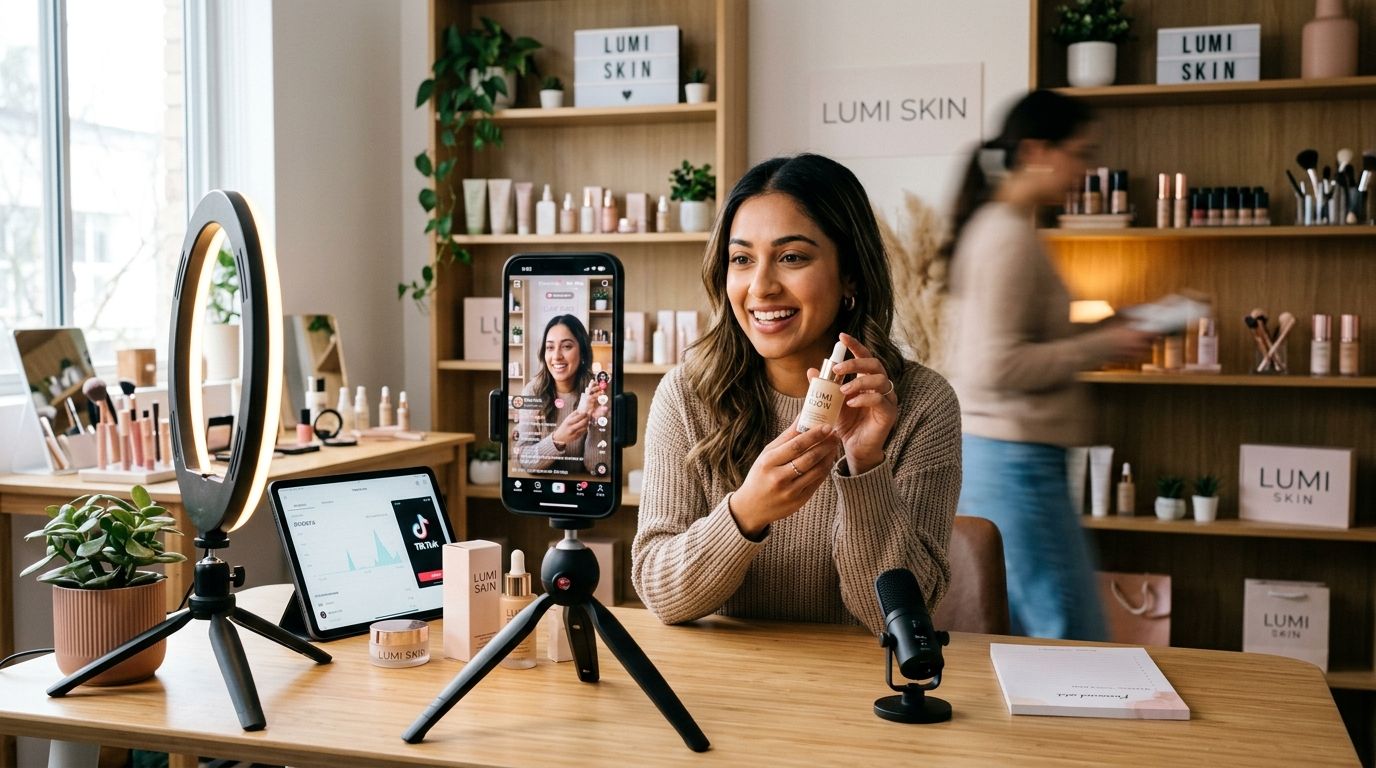
TikTok Shop has closed the loop between discovery and checkout inside the app, which matters more for beauty than almost any other category because purchase decisions are visual and immediate. Brands running TikTok marketing for beauty brands as a dedicated content motion — not an afterthought to Instagram — are the ones pulling new-customer volume at the lowest cost per acquisition in 2026.
Verdict: Buy. No beauty brand should be sitting this one out in 2026.
2. Instagram — the retention machine
Instagram isn't where most beauty brands win new customers anymore — it's where they keep the ones they already have. Stories cycle out in 24 hours, which forces consistency, and Reels (capped around 3 minutes) still get algorithmic push comparable to TikTok's discovery feed when the format is right.
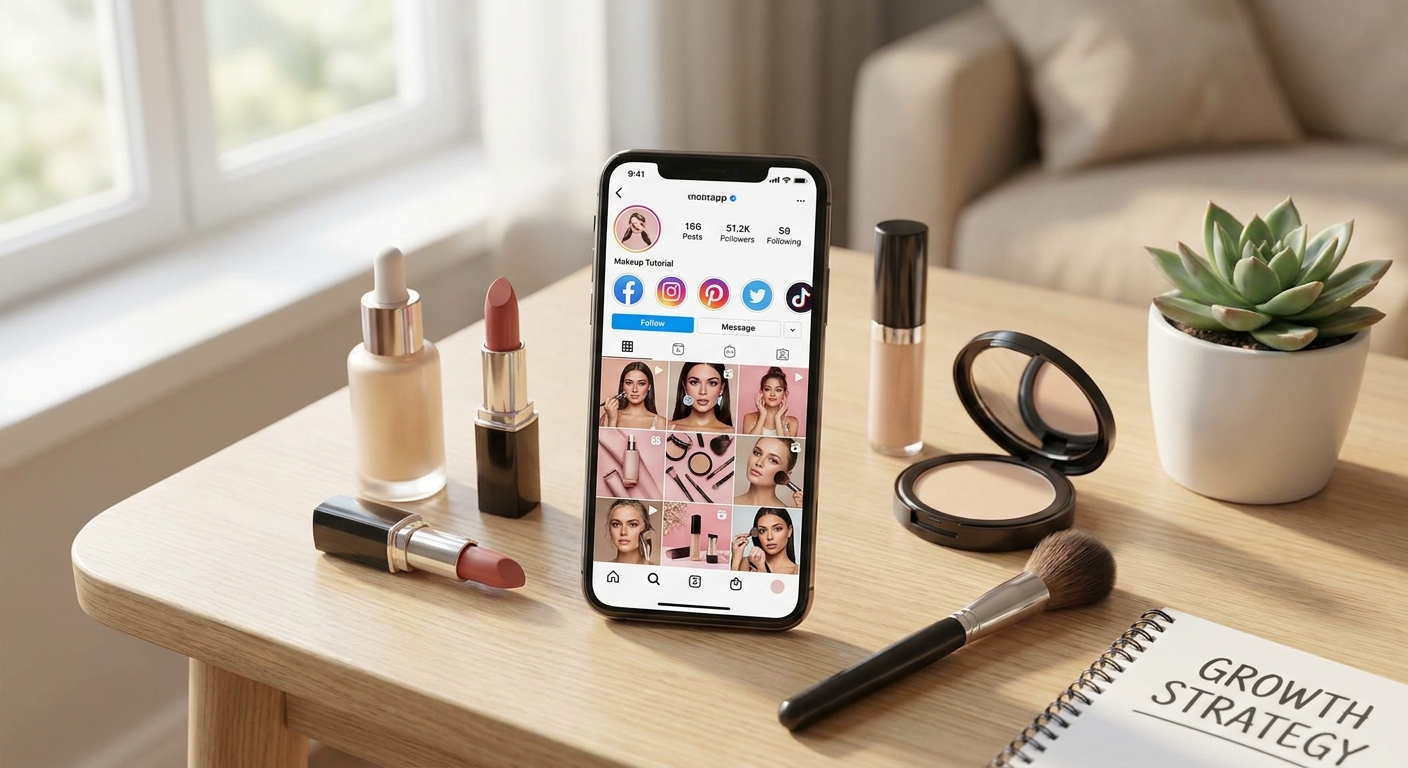
DMs have become a real sales channel for beauty brands running community-style drops and restocks. A dedicated social media marketing for skincare brands strategy treats Instagram as the retention and community layer that TikTok can't replicate — it's where repeat buyers live, not where first-time buyers get found.
Verdict: Buy. Non-negotiable for any brand past its first 1,000 customers.
3. Pinterest — the quiet converter
Pinterest gets underrated by beauty brands chasing viral moments, and that's a mistake. A pin posted in early 2026 can still be driving traffic in late 2026 — the content lifespan on Pinterest is measured in months, not the 48-hour window most social content gets on other platforms.
Skincare, haircare, and clean beauty searches skew heavily toward Pinterest's shopping surfaces because the platform's users are actively planning a purchase, not just scrolling. Brands building out social commerce marketing for beauty brands get compounding returns here that paid-heavy platforms simply don't offer.
Verdict: Buy for skincare, haircare, and clean beauty categories specifically. Consider for fragrance and color cosmetics, where the search intent is thinner.
4. YouTube — the trust builder
YouTube Shorts caps at 3 minutes, but the platform's real value for beauty brands is the long-form side — ingredient deep-dives, dermatologist interviews, and full routine breakdowns that TikTok and Instagram formats can't hold. Beauty buyers researching actives, SPF, or fragrance concentration go to YouTube for the answer before they buy.
This is the platform where influencer partnerships pay off longest, because a well-made review video keeps surfacing in search results well past its publish date.
Verdict: Buy for education-heavy categories — actives, fragrance, prestige skincare. Hold if your product doesn't need a three-minute explanation to sell.
5. Facebook — the paid workhorse, not the organic play
Facebook's organic reach for a new beauty brand page is close to zero without spend behind it in 2026 — that hasn't changed in years and isn't changing. Where Facebook still earns its budget is paid: the ad platform's targeting and retargeting infrastructure remains some of the most efficient for driving beauty ecommerce checkout, especially for prospecting audiences that TikTok and Instagram have already warmed up.
Verdict: Hold. Keep the paid spend, skip the organic content investment.
6. Snapchat — the wildcard for Gen Z
Snapchat's Spotlight feed and AR try-on filters are a genuinely good fit for color cosmetics and skincare brands chasing a younger buyer, but the platform's overall beauty ecommerce infrastructure lags TikTok Shop and Instagram checkout badly in 2026. It works as a supplementary awareness play, not a primary channel.
Verdict: Wait. Revisit once shopping features mature further.
Comparison table
| Platform | Content format | Content lifespan | Shoppable feature | Verdict |
|---|---|---|---|---|
| TikTok | Short video, up to 10 min | 24-72 hours peak | TikTok Shop | Buy |
| Reels (up to 3 min), Stories | 24 hours (Stories), days (Reels) | Instagram Checkout | Buy | |
| Static pins, idea video | Months | Product Pins | Buy (skincare/hair) | |
| YouTube | Shorts + long-form | Weeks to months | YouTube Shopping | Buy (education-heavy) |
| Paid feed ads | Hours (organic) | Facebook Shops | Hold (paid only) | |
| Snapchat | Spotlight, AR filters | 24-48 hours | Limited | Wait |
Build a channel mix that actually converts
Get a platform-by-platform breakdown built for your beauty brand's stage of growth.
Where to invest first
- New brand, under $50K in monthly revenue: put 60-70% of content effort into TikTok for discovery, and keep Instagram active as the landing spot once someone searches your name.
- Established brand, repeat-purchase focus: shift weight toward Instagram community content and Pinterest evergreen pins — you're not fighting for first impressions anymore, you're fighting for retention.
- Education-heavy category (actives, fragrance, prestige skincare): don't skip YouTube. A 2026 buyer researching a $60 serum wants the ingredient explanation before the add-to-cart click.
FAQ
What is the best social media platform for beauty brand growth in 2026?
TikTok is the best social media platform for beauty brand growth in 2026 because of its discovery-first algorithm and TikTok Shop checkout. Instagram ranks second for retention and community once you have existing customers.
Is Instagram or TikTok better for a new beauty brand?
TikTok is better for a new beauty brand with no existing audience because its algorithm surfaces content to strangers, not just followers. Instagram works better once you already have customers to retain and re-engage.
Does Pinterest still work for beauty brands in 2026?
Yes, Pinterest still works well for skincare and haircare brands in 2026 because pins keep generating traffic for months after posting. It converts less on fragrance and color cosmetics, where search intent is lower.
Should a beauty brand invest in Facebook organic content?
No, Facebook organic reach for beauty brands is close to zero without ad spend in 2026. Facebook still works as a paid retargeting and prospecting channel, just not as an organic content platform.
Is YouTube worth it for a small beauty brand?
YouTube is worth it for beauty brands in education-heavy categories like actives, fragrance, or prestige skincare where buyers want a longer explanation before purchasing. It's less critical for simple, low-consideration products.
How many social platforms should a beauty brand actually run?
Most beauty brands should run two platforms well rather than five poorly — typically TikTok for discovery and Instagram for retention. Add Pinterest or YouTube once the core two are converting consistently.
Is Snapchat worth it for beauty brands in 2026?
Snapchat is a supplementary play for beauty brands targeting a younger Gen Z buyer, not a primary channel in 2026. Its shopping infrastructure still lags TikTok Shop and Instagram Checkout.
One last thing
The biggest mistake beauty brands make in 2026 isn't picking the wrong platform — it's running the same piece of content across all of them unchanged. A demo video built for TikTok's 15-second discovery window dies on Pinterest, where the same product needs a static pin optimized for a search query, not a scroll.