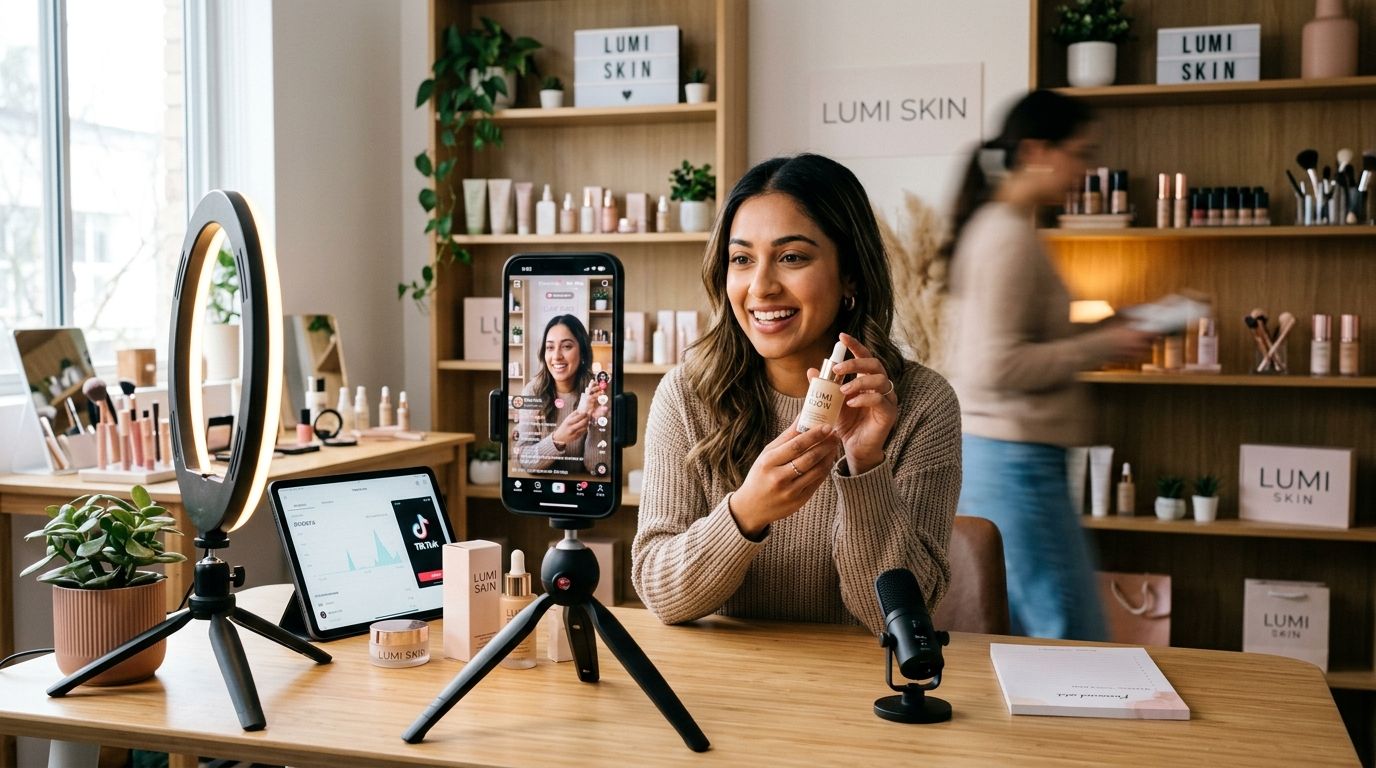
Haircare ecommerce brands compete on repeat purchase, not first-time novelty, and content marketing is the lever that decides whether a shampoo buyer comes back in 45 days or churns to whatever ad hits their feed next. This guide breaks down what content marketing for haircare ecommerce brands should look like in 2026, what to prioritize, and what to cut.
- Content marketing for haircare ecommerce brands works when it targets hair type and repurchase cycle, not generic beauty trends.
- UGC seeding and founder-led education content outperform one-off blog posts for haircare retention in 2026 — both are a Buy.
- Skip reactive trend-jacking content for haircare DTC; it drives views but not repeat customers.
- SEO-informed evergreen guides on hair problems compound traffic longer than paid social hero content ever will.
Why this matters
Haircare is a category where the product doesn't sell itself on first look the way a skincare serum with a glossy jar does. Buyers need to know their hair type, their scalp condition, and whether the formula fixes the specific problem they have — protein overload, buildup, breakage, frizz. That education has to happen somewhere, and increasingly it happens in content before it happens in a review.
Most haircare ecommerce brands still run content like a skincare brand: pretty product shots, seasonal campaigns, the occasional influencer unboxing. That approach ignores the two things that actually drive haircare revenue — hair-type specificity and replenishment cadence. Shampoo and conditioner sit on a roughly 45-60 day repurchase window, which means content has a second job beyond acquisition: keeping the brand top of mind between orders. Email marketing for haircare brands exists specifically to close that gap, and it only works if there's content behind it worth sending.
Who this is for
This is for haircare ecommerce brands past their first six months of sales data, typically doing $500K to $10M in annual revenue, who have proven product-market fit but are still running content reactively — one founder posting on Instagram, an agency dropping generic "5 tips for healthy hair" listicles, no system connecting content to the funnel. If your content calendar exists in someone's head instead of a plan tied to hair type segments and repurchase timing, this is your audience.
What to look for in content marketing for haircare ecommerce brands
Hair-type and texture specificity
Generic "haircare tips" content underperforms because hair type dictates the actual problem — curly hair fights moisture retention, fine hair fights product buildup, color-treated hair fights protein loss. Content that names the texture and the problem converts better than content that stays vague to appeal to everyone.
Alignment with the repurchase cycle
Haircare products run on a 45-60 day replenishment window on average, which means content strategy isn't just acquisition — it's a retention calendar. Educational content timed to land between orders (day 30, day 45) keeps the brand relevant instead of forgotten until the bottle runs dry.
Creator diversity across textures
A single creator archetype (usually straight or wavy hair) can't sell a product line built for curl types 3A through 4C. Brands that seed UGC and reviews across multiple textures build trust with buyers who don't see themselves represented in a narrow creator roster.
SEO-informed problem content
Searches like "how to fix protein overload" or "why is my scalp itchy after washing" are evergreen and low-competition compared to broad beauty terms. Content built around these searches compounds organic traffic for years instead of expiring after a campaign window.
Distribution plan before production
Content without a distribution plan is a cost center. Every piece needs a home — email flow, paid social hook, organic search, or owned page — decided before it's filmed or written, not after.
Retention storytelling, not just top-of-funnel hooks
Most haircare content is built to stop the scroll, not to keep a customer. Brands that win in 2026 build content specifically for post-purchase touchpoints — how-to-use guides, troubleshooting content, results timelines — that reduce first-order churn.
Build a haircare content engine that retains
See how The Darl structures content, email, and SEO into one system for beauty ecommerce brands.
Top picks: the content pillars that actually move haircare revenue
UGC and review seeding — the trust compounder
One spec that matters: texture diversity across the seeded creator pool, not follower count. Haircare buyers trust a review from someone with their exact curl pattern more than a polished ad from a mismatched texture. Structured seeding programs that cover multiple hair types build a searchable library of proof that outlives any single campaign. Verdict: Buy. See how it's structured in UGC seeding for beauty brands.
Founder-led education content — the differentiator you can't buy
One spec that matters: consistency of posting cadence, not production value. A founder explaining the chemistry behind a formula — why a sulfate-free shampoo behaves differently on fine hair — builds category authority that a hired creator can't replicate. This content also repurposes cleanly into email and paid social. Verdict: Buy. The approach is covered in content creation for beauty founders.
SEO-informed evergreen guides — the compounding asset
One spec that matters: search intent match, meaning the content answers the exact problem in the query ("how to remove buildup without stripping color") rather than a generic overview. These guides take longer to produce than a social post but keep generating traffic in 2027 and beyond without new ad spend. Verdict: Buy. The framework lives in SEO for clean beauty ecommerce brands.
Repurposed hero content for paid social — the amplifier
One spec that matters: the source content has to already prove itself organically before it gets ad spend behind it. Taking a top-performing UGC video or founder clip and running it as a paid social hook extends its life without new production cost. Verdict: Consider — only after the organic version has proven engagement.
Reactive trend-jacking content — the sugar high
One spec that matters: shelf life, which for trend content is measured in days, not months. Jumping on a viral audio or hair trend gets a short view spike but rarely converts a haircare buyer researching a specific problem. Verdict: Skip for brands without a dedicated social team to chase trends daily.
What to avoid
- Skincare content templates ported over unchanged. Skincare content sells ingredients and routines; haircare content has to sell a texture match first. A routine graphic that ignores curl pattern reads as generic and gets scrolled past.
- Influencer virality with no owned content foundation. A viral moment without a library of SEO guides, email flows, and UGC behind it converts the spike and then goes quiet. The traffic has nowhere to land after the first 48 hours.
- One-off blog posts published without a distribution plan. A guide that only lives on the blog with no email or social push rarely gets found. Every piece of content needs at least one distribution channel assigned before it's written.
Verdict comparison
| Content Pillar | Education Depth | SEO Value | Retention Value | Verdict |
|---|---|---|---|---|
| UGC and review seeding | High | Medium | High | Buy |
| Founder-led education | High | Medium | High | Buy |
| SEO evergreen guides | High | High | Medium | Buy |
| Repurposed hero content | Medium | Low | Medium | Consider |
| Reactive trend-jacking | Low | Low | Low | Skip |
FAQ
What's the best content marketing strategy for haircare ecommerce brands in 2026?
The strongest strategy combines UGC seeding across hair textures, founder-led education content, and SEO evergreen guides built around specific hair problems. Reactive trend content and generic skincare-style templates underperform for haircare in 2026.
Is UGC better than influencer marketing for haircare brands?
UGC seeding across multiple hair textures typically builds more trust than a single influencer partnership because buyers look for content from someone with their exact curl pattern. Influencer marketing works best layered on top of an existing UGC library, not as a replacement for it.
How much content does a haircare ecommerce brand need to publish monthly?
Volume matters less than distribution coverage — every piece needs an assigned channel, whether that's an email flow, a paid social hook, or organic search. A smaller volume of content with a distribution plan outperforms a high volume of content with none.
Does SEO work for haircare ecommerce brands or is paid social enough?
SEO works well for haircare because problem-based searches like scalp buildup or protein overload are evergreen and lower competition than broad beauty terms. Paid social alone expires with the ad budget, while SEO content keeps generating traffic well past 2026.
What content converts best for hair type-specific products?
Content that names the exact hair texture and the exact problem it solves converts better than generic haircare tips. Buyers skip content that stays vague to appeal to every hair type.
How is content marketing for haircare different from skincare?
Haircare content has to establish a texture match before it sells anything, while skincare content typically leads with ingredients or routine. Porting a skincare content template directly into haircare usually reads as generic and underperforms.
Should haircare brands invest in founder content?
Yes, founder-led education content builds category authority that hired creators can't replicate, especially when it explains formula chemistry in plain terms. It also repurposes cleanly into email and paid social, extending its value beyond the original post.
How does content marketing tie into email for haircare brands?
Content built around the 45-60 day repurchase window feeds directly into replenishment email flows, keeping the brand relevant between orders. Without content behind it, an email flow has nothing worth sending beyond a discount code.
One last thing
The haircare brands winning in 2026 aren't the ones posting the most — they're the ones who built a library of texture-specific proof before they ever ran a paid ad against it. Content marketing for haircare ecommerce brands is a retention system first and an acquisition channel second; brands that treat it the other way around end up buying the same customer twice.