Launching a teen skincare line in 2026 means formulating for a skin barrier that isn't done maturing yet, then marketing to two buyers at once — the teen who finds you on TikTok and the parent who approves the checkout. The product is the easy part; the parental-trust layer and retailer safety review are what stall most teen skincare launches before they ever hit a shelf.
- How to launch a teen skincare line in 2026 starts with formulating for a 13-17 or 8-12 skin barrier, not repackaging adult anti-aging products.
- The real bottleneck is parental trust and retailer safety review, not product development.
- TikTok and YouTube Shorts drive teen discovery; email and PR convert the parent who holds the credit card.
- Retail entry at Target, Ulta, or Sephora comes after direct-to-consumer sell-through proof, not before.
Why this matters
Teen and tween skincare got mainstream scrutiny in 2024 when the "Sephora Kids" trend put tweens buying anti-aging serums under a media spotlight, and that scrutiny hasn't faded going into 2026. Retailers now vet age-appropriate formulation and packaging claims more carefully than they did three years ago, and dermatologists are quoted in coverage of nearly every new teen-focused launch.
That means a brand entering this category in 2026 is judged on two fronts simultaneously: does the formula match the age band it claims to serve, and does the marketing look like it's marketing a beauty brand to Gen Z responsibly or exploiting insecurity for engagement. Get either wrong and distribution stalls before the product does.
How do you launch a teen skincare line?
A teen skincare line launches in six steps, in this order:
- Lock the age band and formulation ceiling. Decide upfront whether you're building for tweens (8-12) or teens (13-17). Retinoids and high-percentage acids get flagged by both dermatologists and retail safety review teams for the younger end of that range.
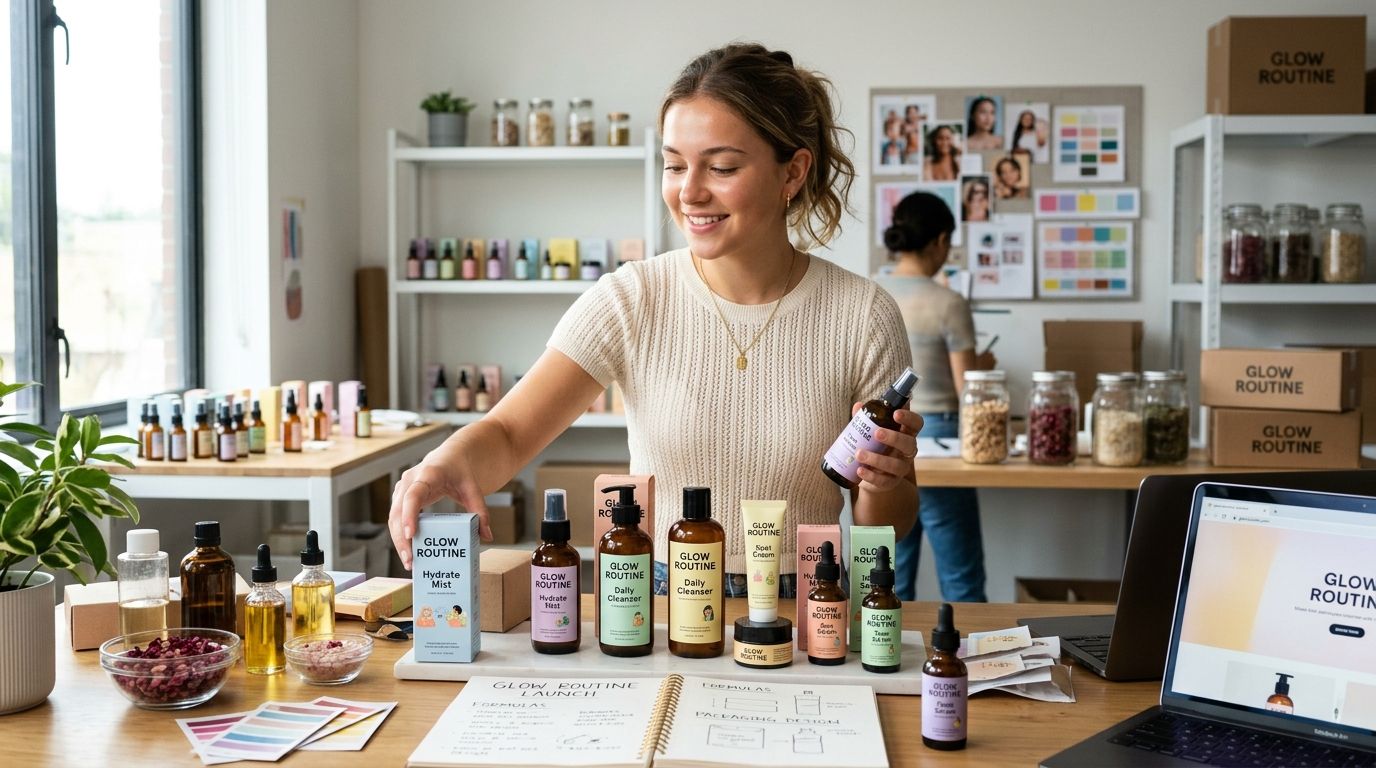
- Build a minimal-actives formula with dermatologist sign-off. A cleanser, a lightweight moisturizer, and SPF cover the core need for most teen skin; skip exfoliating acids above low concentrations for the 8-12 band entirely.
- Get compliance and labeling right before you pitch anyone. Full ingredient disclosure, accurate fragrance claims, and clear age-band statements on packaging are non-negotiable for both FDA cosmetic labeling rules and retailer intake teams.
- Write a brand voice that speaks to two buyers at once. The teen needs to feel respected, not talked down to; the parent needs to see safety and transparency stated plainly, not buried in fine print.
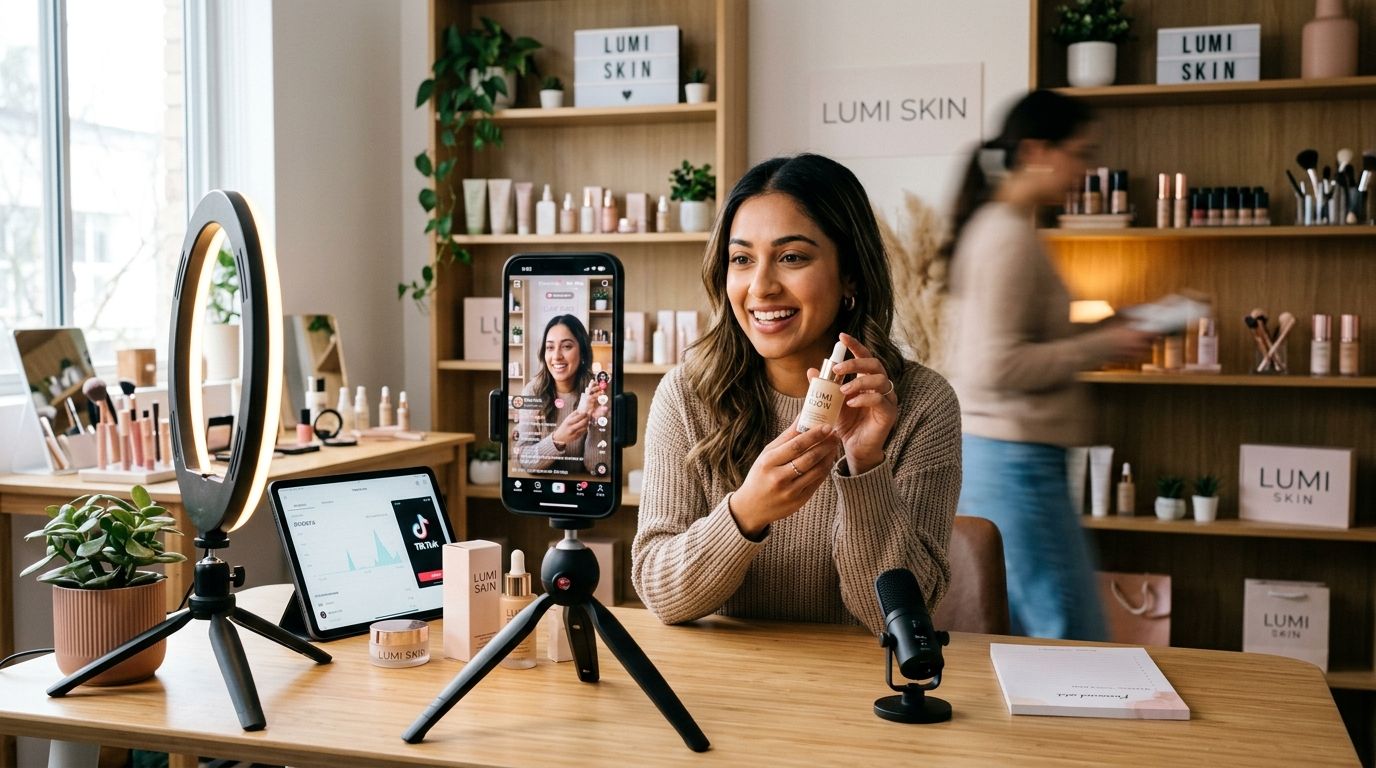
- Pick channels teens actually use, then build a parallel parent-facing track. TikTok, YouTube Shorts, and Instagram Reels win discovery; email and PR aimed at parenting outlets close the sale.
- Prove sell-through direct-to-consumer before you pitch retail. Buyers at Target, Ulta, or Sephora want to see repeat purchase data, not a pitch deck.
DTC-first launch: 3 channels to prioritize
| Channel | Job it does | Who it's best for |
|---|---|---|
| TikTok organic + seeded creators | Drives teen discovery and normalizes the product in a peer feed | Brands with a distinct visual hook and a founder or creator willing to show up on camera |
| Email and SMS | Converts and retains the parent who actually pays | Brands with repeat-use products (cleanser, moisturizer) rather than one-time gift sets |
| PR aimed at parenting and family outlets, not just beauty press | Builds the trust signal a parent needs before handing over a card | Brands with real dermatologist review or clinical-adjacent formulation to point to |
Verdict: run all three from day one — a teen skincare brand that only builds the TikTok side and skips the parent-facing track hits a ceiling fast, because the parent controls the wallet even when the teen drives the discovery. Structuring seeding and influencer partnerships around this split is exactly what the influencer marketing strategies for skincare launches playbook covers in more depth.
Retail-first launch: 2 gatekeepers to court
- Mass retail safety review teams (Target, Ulta). These teams scrutinize age-band claims and ingredient lists more closely for a product marketed to minors than for an adult-facing SKU. Bring dermatologist documentation to the first meeting, not the third.
- Prestige teen-focused sets (Sephora). Packaging that states the intended age band clearly, plus a formulation that avoids adult anti-aging actives, is table stakes for getting a teen line considered for a teen-specific set rather than lumped into general skincare.
Verdict: retail-first only works once you already have DTC proof — walking into either gatekeeper with a concept and no sell-through data is a fast no in 2026's more cautious buying environment.
“If a parent can't understand the label in five seconds, Target and Ulta won't stock it.”
Why teen skincare launches stall
- Formulation misses the age band — adult anti-aging actives packaged for a 13-year-old get flagged by dermatologists and buyers alike.
- No dermatologist sign-off before the retail pitch — buyers ask for it now more than they did before 2024's tween-skincare scrutiny.
- Marketing skews too clinical or too young for the platform — a TikTok-native audience disengages from copy that reads like a pharmacy insert.
- Parent-facing proof is missing from the site — ingredient transparency and safety data need to live where a parent can find them in one click.
- No plan for the backlash cycle — any brand marketing skincare to minors online should expect scrutiny and needs messaging ready for it, not a crisis response built after the fact.
- Retail pitched before DTC proof exists — buyers want repeat-purchase numbers, not a launch plan.
Build the launch plan before the product ships
Omnichannel strategy across SEO, paid, email, and social for beauty brands scaling into 2026.
Is teen skincare a growth category worth entering in 2026?
Teen and tween skincare stayed a visible category through 2026, but it's also under more retailer and media scrutiny than it was in prior years, which raises the bar for formulation and marketing discipline. A brand that treats the age band and the parent-trust layer as core product decisions, not marketing afterthoughts, has a real shot; a brand chasing the trend with a repackaged adult formula does not.
What ingredients should a teen skincare line avoid?
A teen skincare line should avoid retinoids, high-percentage AHAs/BHAs, and added fragrance for the 8-12 tween band specifically, since dermatology guidance and retailer safety review both flag these for younger skin. A cleanser, lightweight moisturizer, and SPF cover the core need without introducing actives that require a dermatologist's supervision.
How do you market skincare to teens without triggering backlash?
Market skincare to teens by leading with transparency — plain-language ingredient lists, clear age-band statements, and parent-facing proof points placed where a parent will actually see them. Avoid shame-based messaging about skin "flaws," since that framing is exactly what drew media criticism to earlier teen and tween beauty launches.
FAQ
How do you launch a teen skincare line?
Launching a teen skincare line starts with locking the age band (8-12 or 13-17), building a minimal-actives formula with dermatologist sign-off, then marketing on TikTok and YouTube Shorts for teens while running email and PR for the parent who approves the purchase.
What age band should a teen skincare line target?
Most teen skincare lines target either the 8-12 tween band or the 13-17 teen band, and the formulation ceiling changes sharply between the two — retinoids and high-percent acids are appropriate for neither without dermatologist guidance.
Is teen skincare a good niche in 2026?
Teen skincare remains a visible category in 2026, but retailer and media scrutiny is higher than it was a few years ago, so brands need dermatologist-reviewed formulas and transparent marketing to succeed rather than a repackaged adult product.
Do teen skincare brands need dermatologist approval?
Retail buyers at Target, Ulta, and Sephora increasingly ask for dermatologist review before considering a teen-focused skincare line, especially after the 2024 media scrutiny around tween skincare purchases.
What channels work best for marketing a teen skincare line?
TikTok, YouTube Shorts, and Instagram Reels drive teen discovery, while email, SMS, and PR aimed at parenting outlets convert the parent who controls the purchase decision.
Should a teen skincare brand launch DTC or retail first?
A teen skincare brand should launch direct-to-consumer first and use that sell-through data to pitch retail buyers, since Target, Ulta, and Sephora all want proof of repeat purchase before stocking a new teen-focused line.
What ingredients should teen skincare avoid?
Teen skincare should avoid retinoids, high-percentage AHAs/BHAs, and added fragrance for the youngest age bands, sticking instead to a cleanser, lightweight moisturizer, and SPF as the core formula.
How do you avoid backlash when marketing skincare to teens?
Avoid backlash by leading with transparent ingredient lists and clear age-band labeling, and by skipping shame-based messaging about skin flaws, which is the exact framing that drew criticism to earlier teen beauty launches.
One last thing
The teen buys the product on TikTok in her head months before the parent ever sees the receipt — the discovery and the purchase happen on two different timelines, and brands that build only one side of that funnel leave money on the table. A skin quiz funnel that captures the teen's interest and routes the parent-facing proof into an email flow closes that gap better than a single-channel launch ever will.