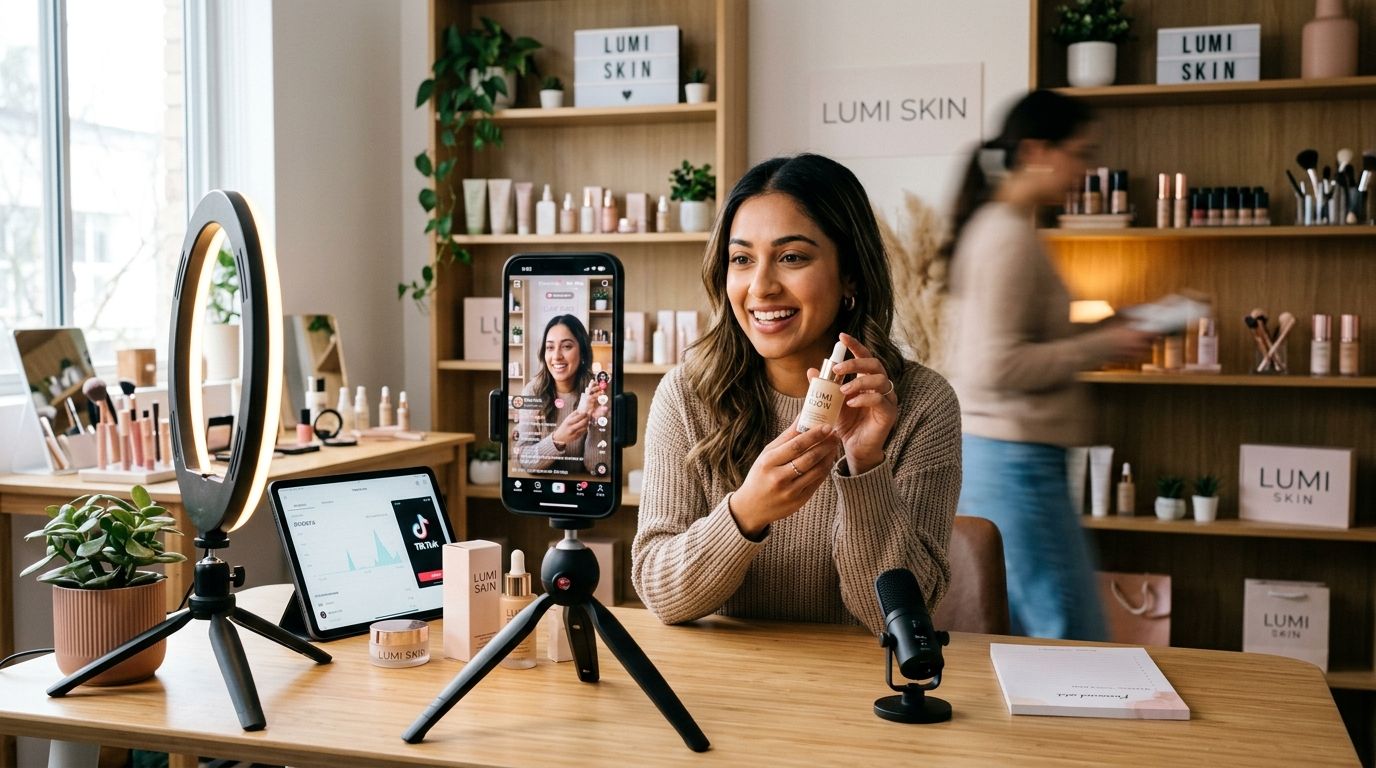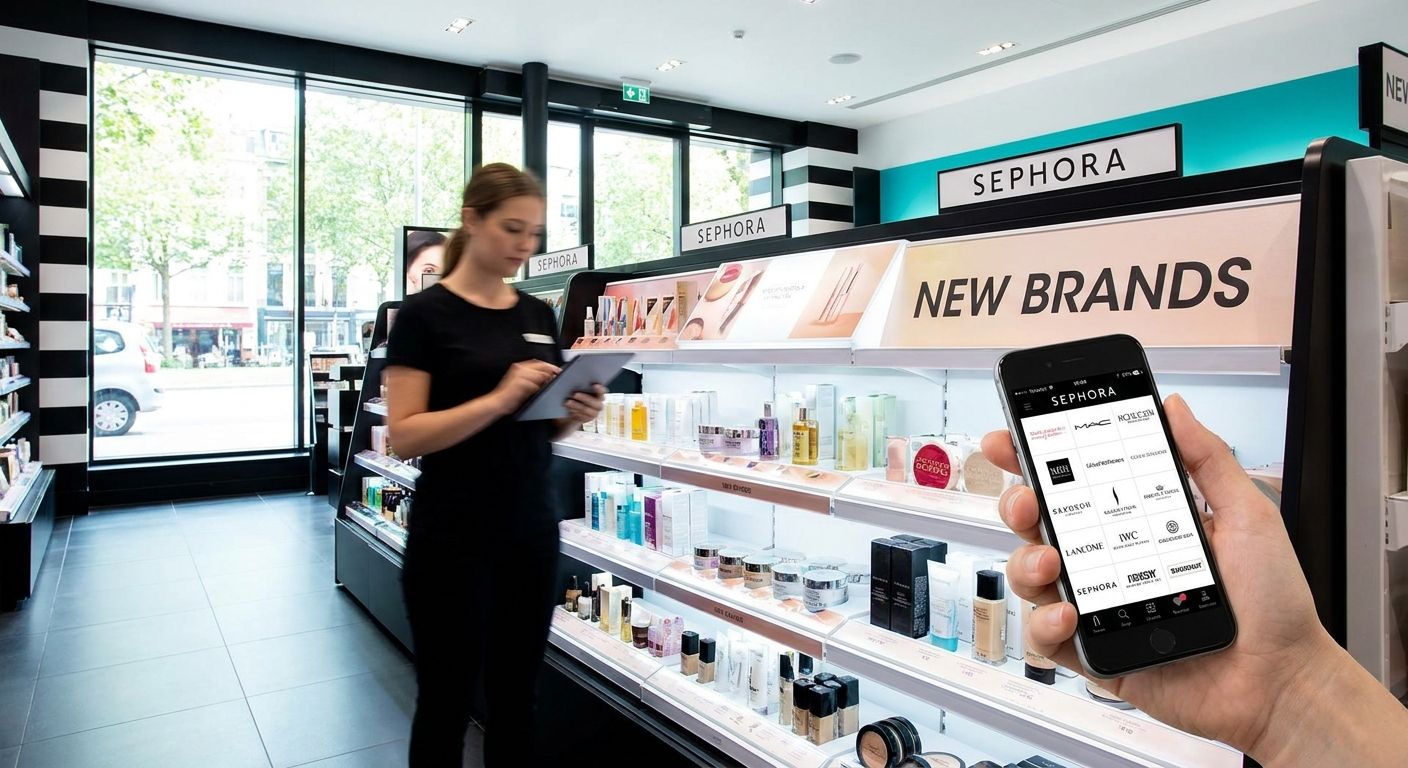
Getting into Sephora in 2026 is the easy part compared to what happens after your SKUs hit the shelf — sell-through, not shelf placement, decides whether you get a second order.
- Retail marketing for beauty brands entering Sephora in 2026 lives or dies on sell-through, not the buyer meeting win.
- PR and influencer seeding have to launch in the same week as your ship date, not sequentially. Buy the coordinated push.
- Paid social has to cover both Sephora.com traffic and your own DTC site or you're funding someone else's retention. Consider a split funnel.
- SMS and email retention keep margin at home when Sephora shoppers sample in-store and buy later. Skip this and Sephora keeps the repeat purchase.
- CRO on your owned site has to match Sephora.com's conversion experience or buyers notice at the reorder cycle.
Why this matters
A Sephora acceptance letter is a distribution win, not a marketing plan. Sephora's merchandising team watches sell-through velocity in the first review cycle, and brands that show up with only a press release and a launch-day Instagram post get quietly deprioritized at the next assortment refresh.
The brands that keep their shelf space in 2026 treat the Sephora launch as the start of an omnichannel push — PR, influencer seeding, paid social, and retention all firing in the same window, each one reinforcing the next. That's the difference between a one-time bump and a brand Sephora keeps reordering.
Who this is for
This guide is for founders and marketing leads at beauty brands who've already been accepted into Sephora — in stores, on Sephora.com, or both — and are now staring down a launch date with a marketing budget that has to work across five channels at once. If you're still building your pitch deck for Sephora's buying team, this isn't your guide yet. If you've got a ship date and a assortment planner asking about your marketing calendar, keep reading. Brands unsure whether their current agency setup can handle a retail launch of this size should start by vetting a marketing agency for a beauty brand before the launch date locks in.
What to look for in retail marketing for beauty brands entering Sephora
Sell-through data and POS visibility
Sephora shares sell-through data with vendors, and your marketing plan should be built around reading it weekly, not quarterly. A brand that can't tie a TikTok spike or an SMS drop to a POS movement is flying blind on the one metric that determines reorder size.
Launch timing synced to Sephora's own calendar
Sephora runs its own promotional and content calendar — seasonal sales, category spotlights, editorial features. A brand that launches PR and influencer seeding in isolation from that calendar is competing with Sephora's own marketing instead of riding it.
Paid media that covers Sephora.com and your own site
Sephora.com traffic and your DTC site traffic are two different funnels with two different owners of the customer relationship. Paid media has to drive both, or you're spending to build Sephora's customer file instead of your own.
Influencer seeding built for the Sephora shopper
The Sephora shopper browsing in-app or in-store behaves differently than your DTC list — she's comparison shopping against six other brands on the same shelf. Seeding built around DTC creators alone misses the discovery-mode audience Sephora actually delivers.
Retention infrastructure that keeps margin at home
Every Sephora sale that doesn't convert into an owned-channel relationship is a customer you rent instead of own. SMS and email capture at the point of in-store sampling or Sephora.com checkout is the only lever that brings that customer back to your site directly.
Top picks for a Sephora launch marketing stack
1. PR and editorial placement — the credibility play
Editorial coverage timed to your ship date does something paid media can't: it validates the shelf placement to the exact media outlets Sephora's own team tracks for category credibility. A PR launch built for a beauty brand should target the two-week window bracketing your ship date, not the month before. Verdict: Buy.
2. Influencer seeding for launch week — the discovery engine
Seeding needs a roster built for the shopper who discovers you on the Sephora shelf or app, not just your existing DTC fans. Influencer seeding for a skincare launch built around unboxing-in-Sephora content and side-by-side category comparisons converts better than generic product mailers. Verdict: Buy.
3. Paid social funnel — the always-on channel
A funnel that only retargets your DTC site cart abandoners is leaving Sephora.com traffic on the table. A paid media funnel built for a beauty brand should split spend between top-of-funnel awareness and retargeting that routes buyers to whichever site — Sephora.com or your own — gives you the better margin per order. Verdict: Consider.
4. SMS and email retention — the retention layer
Capturing an email or phone number at first purchase, whether it happens in-store or on Sephora.com, is the only way to keep that customer relationship past the first sale. Brands skipping this step in 2026 are handing Sephora the entire lifetime value of a customer they helped acquire. Verdict: Consider.
5. CRO on your owned site — the quiet compounder
Sephora.com's checkout experience sets the bar every beauty brand's own site now gets compared against. If your DTC conversion rate trails Sephora.com's by a wide margin, every dollar spent driving traffic to your own site is underperforming what it should return. Verdict: Buy.
Plan Your Sephora Launch Now
Coordinate PR, seeding, paid media, and retention before your ship date locks.
What to avoid
- A single press hit and nothing else. One placement in a beauty outlet feels like a launch, but Sephora's sell-through review doesn't care about impressions — it cares about the next 90 days of unit velocity.
- Influencer seeding lifted straight from your DTC playbook. Creators who talk to your existing customer base don't reach the Sephora discovery shopper comparing three brands on the same shelf.
- Treating email and SMS as optional because Sephora "already has the customer." Sephora owns the transaction. You still need the relationship, or every reorder cycle starts from zero.
Verdict comparison table
| Channel | Best for | Launch timing | Verdict |
|---|---|---|---|
| PR and editorial | Category credibility | 2 weeks around ship date | Buy |
| Influencer seeding | Discovery-mode shoppers | Launch week | Buy |
| Paid social funnel | Dual-site traffic | Ongoing from ship date | Consider |
| SMS and email retention | Owning the customer relationship | At first purchase | Consider |
| CRO on owned site | Matching Sephora.com's conversion bar | Before launch | Buy |
The pattern across every row: nothing on this table works alone in 2026. Sephora's own algorithm and merchandising reviews reward brands that show demand signals across channels, not brands that peaked once on launch day.
FAQ
What's the best retail marketing strategy for a beauty brand entering Sephora in 2026?
The best strategy coordinates PR, influencer seeding, paid social, and retention in the same launch window rather than running them sequentially. Brands that isolate channels see sell-through stall faster than brands running a synced push.
How long does it take to see sell-through results after a Sephora launch?
Sephora's first review cycle typically looks at the initial 90 days on shelf, so marketing spend needs to be front-loaded into that window rather than spread evenly across the year. Brands that wait to ramp marketing after launch miss the review that determines reorder size.
Is PR or influencer seeding more effective for a Sephora launch?
Neither works as well alone as the two running together. PR builds category credibility with editors and Sephora's own team, while influencer seeding drives the discovery-mode shopper actually comparing products on the shelf.
Does Sephora.com traffic count toward a beauty brand's own email or SMS list?
Not automatically. Sephora owns the transaction data on its own platform, so brands need a separate capture mechanism, like a QR code on packaging or an in-store sampling moment, to build their own list from Sephora-driven customers.
What's the biggest mistake beauty brands make after a Sephora launch?
Treating the Sephora acceptance as the finish line instead of the start of a marketing push. Brands that stop investing in PR, seeding, and paid media right after launch see sell-through fade well before the next assortment review.
How is marketing for a Sephora launch different from a DTC-only launch?
A Sephora launch has to serve two funnels at once — Sephora.com and the brand's own site — while a DTC-only launch only has to convert on owned channels. That split changes how paid media budget and retention capture get built.
Should a beauty brand pause paid social once it's in Sephora?
No. Pausing paid social after a Sephora launch removes the demand signal that keeps the brand visible in Sephora's own merchandising algorithm, which tracks external search and social interest as part of assortment decisions.
How much of the marketing budget should go toward retention versus acquisition for a Sephora launch?
There's no universal split, but brands that skip retention entirely lose the lifetime value of every Sephora-driven customer to the retailer. SMS and email capture at the point of sale should be budgeted from day one, not added after launch.
One last thing
Sephora doesn't market your brand for you — its merchandising team reads external demand signals, like search volume, TikTok mentions, and email list growth, as evidence a brand is worth reordering. The marketing you run after launch isn't just building your own customer base; it's the data Sephora's own team uses to decide whether you keep your shelf space in 2026.