Preparing for a beauty trade show as an indie brand comes down to three deliverables built before you book the booth: a wholesale sell sheet buyers can act on, a media kit editors can pull quotes from, and a follow-up sequence that fires within days, not weeks, of the last day of the show. Skip any one of those and the booth becomes a photo op instead of a pipeline.
The hidden cost most indie brands miss isn't the booth fee — it's the labor of staffing it. A two-person team working an 8-hour show day without a rehearsed pitch or a lead-capture system burns the budget on foot traffic that never converts into a purchase order.
- Booking a booth for a beauty trade show in 2026 without a wholesale sell sheet and media kit ready wastes the floor time.
- How to prepare for a beauty trade show as an indie brand starts 8 weeks out, not the week of.
- A follow-up sequence sent within 3-5 days of the show close matters more than the booth design itself.
- Indie Beauty Expo and Cosmoprof North America both reward brands that rehearse a 30-second pitch before the show floor opens.
Why this matters
Buyers walking a show floor at Cosmoprof North America or Indie Beauty Expo in 2026 see hundreds of booths in a single day. They remember the brand that handed them a clean wholesale sell sheet with margin and MOQ spelled out, not the one that made them ask for it.
Press works the same way. Editors walk the floor with a fixed number of stories to file and no patience for a founder who can't name the hook in one sentence. A media kit built before the show — not scrambled together in the hotel room the night before — is what gets you the coverage instead of a polite nod.
How do you prepare for a beauty trade show as an indie brand?
The answer is a sequenced checklist, not a single task. Work backward from the show date:
- Lock your booth logistics 8+ weeks out — booth size (most first-time exhibitors book a standard 10x10), electrical needs, shipping deadlines for product and signage.
- Finalize the wholesale sell sheet — wholesale price, MOQ, margin, and lead time on one page a buyer can photograph and forward internally.
- Build the media kit — brand story, hero product shots, founder bio, and press-ready copy editors can lift directly.
- Rehearse a 30-second pitch — every person staffing the booth says the same three sentences, no improvising.
- Set up lead capture — a scanner, a form, or a simple notebook with fields for contact, interest level, and next step.
- Build the follow-up sequence before the show — emails queued and ready to send the moment the show floor closes.
Each step compounds. A sell sheet without a rehearsed pitch confuses buyers on what to ask; a rehearsed pitch without lead capture means the conversation evaporates the second the buyer walks to the next booth.
8 weeks out: lock logistics and pitch materials
This is the window where most indie brands run out of time without noticing. Booth registration, electrical, and shipping deadlines for most 2026 trade shows close 4-6 weeks before the event — miss the window and you're paying rush fees or shipping product to your own hotel room.
- Confirm booth size and layout with the show organizer.
- Draft the wholesale sell sheet and get it reviewed by anyone who has actually sold into retail before.
- Draft the media kit and identify 5-10 editors or press contacts to hand it to in person.
- Order signage, samples, and any giveaway product with enough lead time to catch printing delays.
Buy the booth space early, build the materials in parallel — don't wait for the booth confirmation to start the sell sheet.
2 weeks out: rehearse the pitch and stage the booth
By this point the materials exist. The work shifts to execution readiness.
| Task | Owner | Done by |
|---|---|---|
| Pitch rehearsal (all staff) | Founder/team lead | 10 days out |
| Lead capture system tested | Ops lead | 7 days out |
| Sell sheet + media kit printed | Marketing lead | 5 days out |
| Booth mockup or dry run | Whoever's staffing | 3 days out |
A dry run catches the problems a checklist can't — a sign that's unreadable from six feet away, a display that blocks the walkway, a pitch that sounds rehearsed instead of natural.
Show week: work the floor without burning out
Multi-day shows punish teams that treat day one like the only day that matters. Rotate staffing so nobody works a full show floor solo for 8 hours straight — pitch fatigue shows on your face by hour four, and buyers notice.
- Log every conversation immediately, not at the end of the day from memory.
- Flag hot leads (buyers who asked for terms or samples) separately from casual foot traffic.
- Photograph the booth and any press or influencer visits for content you'll need for content marketing for indie beauty brands after the show.
After the show: the follow-up window decides the ROI
The booth fee, the travel, the samples — none of it pays back without a fast follow-up. Send the first email within 3-5 days of the show closing, while the buyer or editor still remembers the conversation.
- Segment leads by hot (asked for terms), warm (asked questions, took a sample), and cold (walked by, took a card).
- Send hot leads a direct follow-up referencing the specific conversation, with the sell sheet attached again.
- Send press contacts a short note plus the media kit link — don't make them dig for it a second time.
- Track which leads convert to actual purchase orders or press placements so next year's show budget is a decision, not a guess.
A well-run PR strategy for indie beauty brand launches treats the trade show as one touchpoint in a longer press cycle, not a one-off event.
Why trade show prep timelines vary
- Show size — a regional show needs less lead time than Cosmoprof North America or a major Indie Beauty Expo stop.
- Team size — a solo founder needs more runway than a brand with a dedicated marketing hire.
- Retail readiness — brands still finalizing pricing or packaging need extra weeks before the sell sheet is print-ready.
- Press ambitions — chasing editor meetings on top of buyer meetings adds a parallel prep track.
- Product complexity — a brand with 3 SKUs preps faster than one launching a 12-piece line at the show.
Get your trade show plan built right
Sell sheets, media kits, and follow-up systems built before the booth opens.
How much booth space does an indie beauty brand need?
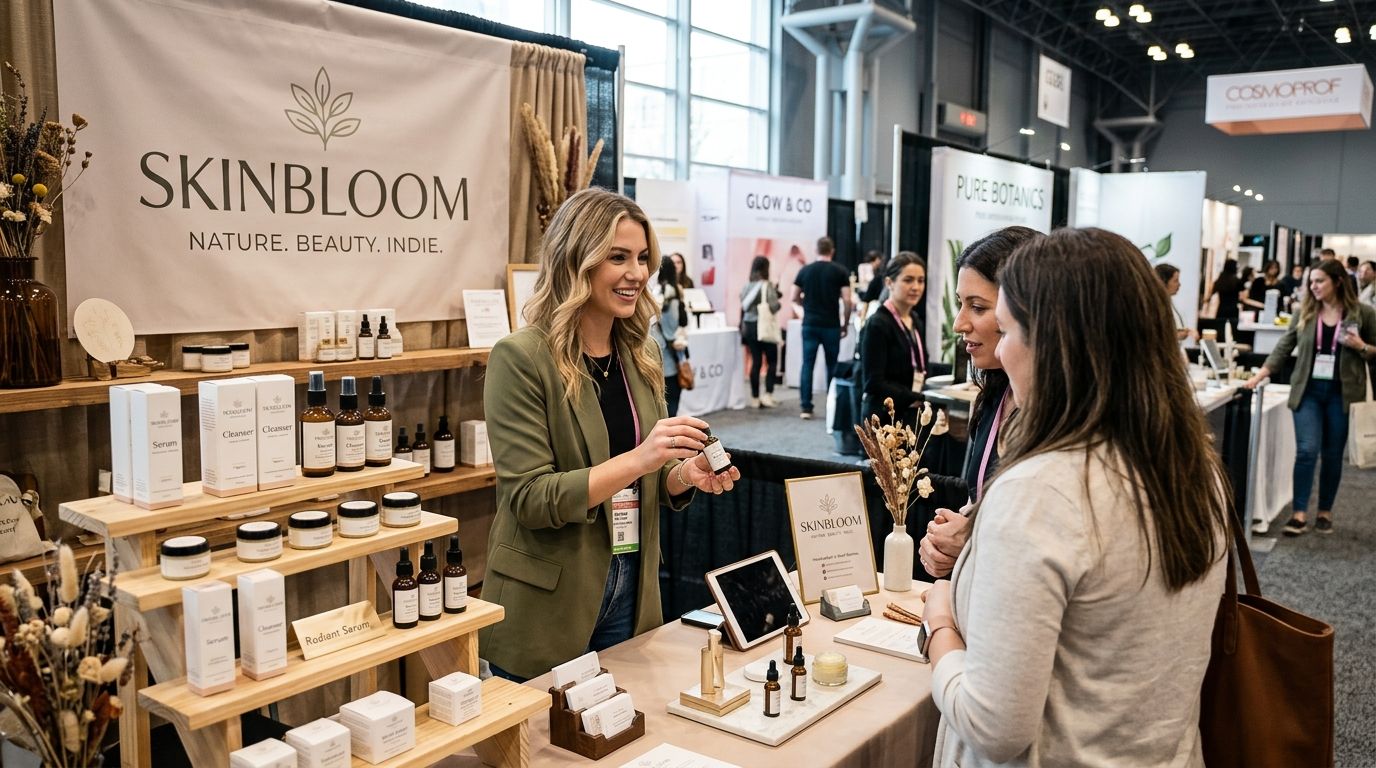
Most first-time exhibitors book a standard 10x10 booth, which is enough space for a display table, signage, and two staff working the floor. Brands with a larger product line or a demo station often move up to a 10x20 the following year once the first show proves the ROI.
Is Indie Beauty Expo worth it for a new brand?
Indie Beauty Expo is built specifically for early-stage and independent brands, which means the buyer and press traffic already skews toward brands your size rather than established players. It's worth it if you show up with a sell sheet and pitch ready — without those, any show floor is foot traffic with no conversion path.
What should go in a beauty brand's trade show follow-up email?
The follow-up email should reference the specific conversation, restate the offer from the sell sheet, and include a clear next step — a call, a sample shipment, or a signed order form. Generic "great meeting you" emails sent a week later get ignored; specific ones sent within 3-5 days get answered.
FAQ
How far in advance should an indie beauty brand prepare for a trade show?
Start 8 weeks out for logistics, sell sheet, and media kit — 2 weeks out shifts to rehearsal and staging. Waiting until show week means scrambling on materials that should already exist.
What's the most important document to bring to a beauty trade show?
The wholesale sell sheet is the single most important document — it's what a buyer takes back to their team to justify the order. A media kit matters for press but the sell sheet is what closes retail conversations.
How soon after a trade show should you follow up with leads?
Send the first follow-up within 3-5 days of the show closing. Leads cool fast once buyers and editors return to their own inbox backlog.
Do I need a booth designer for my first beauty trade show?
No — a clean table display with clear signage and product visible outperforms an over-designed booth with no substance. Spend the budget on the sell sheet and follow-up system first.
Is Cosmoprof North America good for indie beauty brands?
Cosmoprof North America draws a mix of buyers, distributors, and press across every price tier, which makes it a strong venue for indie brands ready to pitch wholesale terms. It's a bigger investment than a niche indie-only show, so go in with materials finished.
How many staff do you need to work a beauty trade show booth?
Two people minimum for a standard 10x10 booth, rotating so nobody works a full show day solo. Pitch fatigue sets in after several hours and buyers notice the drop in energy.
What's a common trade show mistake indie beauty brands make?
Building the booth design before the sell sheet and follow-up plan exist. The booth gets attention on the floor, but the sell sheet and follow-up are what turn that attention into a purchase order.
One last thing
The brands that get invited back to the same show next year aren't the ones with the best booth design — they're the ones whose follow-up email arrived first. Buyers and editors remember who responded fast more than who had the nicest signage.